




Про услугу
Область вокруг глаз часто раньше других подвержена возрастным изменениям.
В этой зоне морщины под глазами начинают формироваться в молодом возрасте, когда кожа, и без того очень тонкая по своей природе, начинает терять влагу, коллаген и эластин.
Поскольку морщины под глазами, как правило, придают лицу как минимум усталый вид, эстетическая медицина предлагает различные способы борьбы с ними. Например, биоревитализацию.
Почему образуются морщины вокруг глаз
Появлению морщин под глазами может способствовать несколько факторов, таких как:
-
мимическая мышечная активность;
-
фотостарение (из-за воздействия естественного или искусственного солнечного света);
-
дряблость кожи (из-за потери коллагеновых и эластиновых волокон);
-
изменение объема, вызванное резорбцией костей и подкожно-жировой клетчаткой (более заметно после менопаузы);
-
местная аллергия (атопический контактный дерматит и аллергический дерматит).
Генетика, а также индивидуальные факторы, такие как неправильное питание, стресс и курение, также могут способствовать преждевременному старению кожи.
Кроме того, контур глаз уже по своей природе очень чувствителен к процессу старения, и вот, почему:
-
количество коллагена и эластина низкое;
-
подкожная жировая клетчатка вокруг глаз почти отсутствует;
-
микроциркуляция вокруг глаз ограничена;
-
в этой области меньше потовых и сальных желез.
Наличие темных кругов, а именно темных участков под глазами, может подчеркнуть несовершенство и сделать взгляд еще более тусклым и постаревшим.
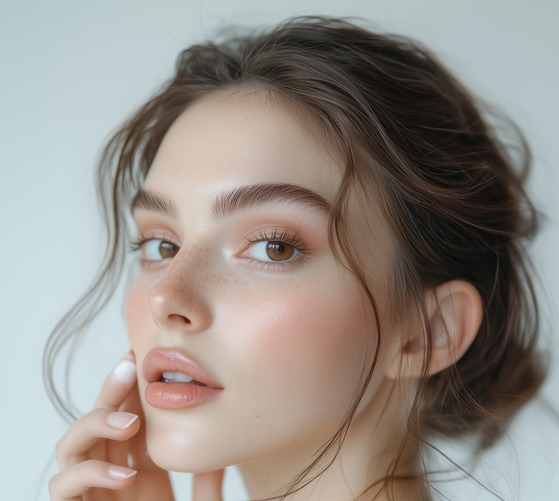
Эффективность биоревитализации вокруг глаз
Биоревитализация заключается во введении активных компонентов с биологическим лечебным эффектом. Основное действующее вещество таких препаратов - гиалуроновая кислота.
Вводимый раствор может содержать витамины, аминокислоты, минералы, коферменты и нуклеиновые кислоты.
Цель состоит в том, чтобы стимулировать обновление кожи, снабжая ее соответствующими питательными субстратами для разглаживания тончайших мимических морщин или увеличения объема и эластичности.
Локальное введение биоревитализирующих средств имеет три основных эффекта:
-
борьба со свободными радикалами;
-
гидратация для немедленного стимулирующего действия в тканях (заметно с первых процедур);
-
усиление синтеза коллагена и эластина фибробластами (в течение нескольких недель).
Показания
Введение препаратов гиалуроновой кислоты в зоне век может быть эффективно в следующих случаях:
-
увядающая, сухая кожа;
-
снижение эластичности и тургора кожи;
-
ранее старение кожи, вызванное курением, стрессом и солнцем;
-
реабилитация после пластических операций;
-
пигментация;
-
отечность, темные круги и мешки под глазами;
-
морщины и складки.

Противопоказания
Как и у любой косметологической манипуляции, у биоревитализации век есть противопоказания. Выделим основные:
-
воспалительные процессы в зонах, подлежащих обработке;
-
наличие тяжелых хронических заболеваний;
-
беременность и период грудного вскармливания;
-
аллергия на компоненты препарата;
-
аутоиммунные заболевания;
-
прием антикоагулянтов (разжижителей крови);
-
повышенная склонность к образованию келоидных рубцов;
-
острая герпетическая инфекция.
В любом случае перед проведением процедуры необходима консультация врача-косметолога.
Как проходит процедура
Врач-косметолог очищает область вокруг глаз и по определенным линиям делает уколы тончайшей иглой. Как правило, обезболивание не требуется, однако при повышенной чувствительности допустимо использование крема-анестетика.
Подготовка и реабилитация после
Особых ограничений перед процедурой нет. Единственное, что не следует принимать за неделю до нее, — это аспирин или другие нестероидные, противовоспалительные, обезболивающие и жаропонижающие препараты.
Как правило, доктора дают следующие рекомендации для успешного восстановления после уколов гиалуроновой кислоты:
-
наносите косметические средства не раньше, чем через 6 часов после процедуры;
-
исключите посещение сауны или бани на неделю;
-
откажитесь от посещение солярия на две недели, а также не допускайте длительного пребывания на солнце, обязательно используйте крем с SPF перед каждым выходом на улицу.


 +7 (495) 154-21-44
  admin@expertclinics.ru