




Про услугу
Что такое консервативная гинекология
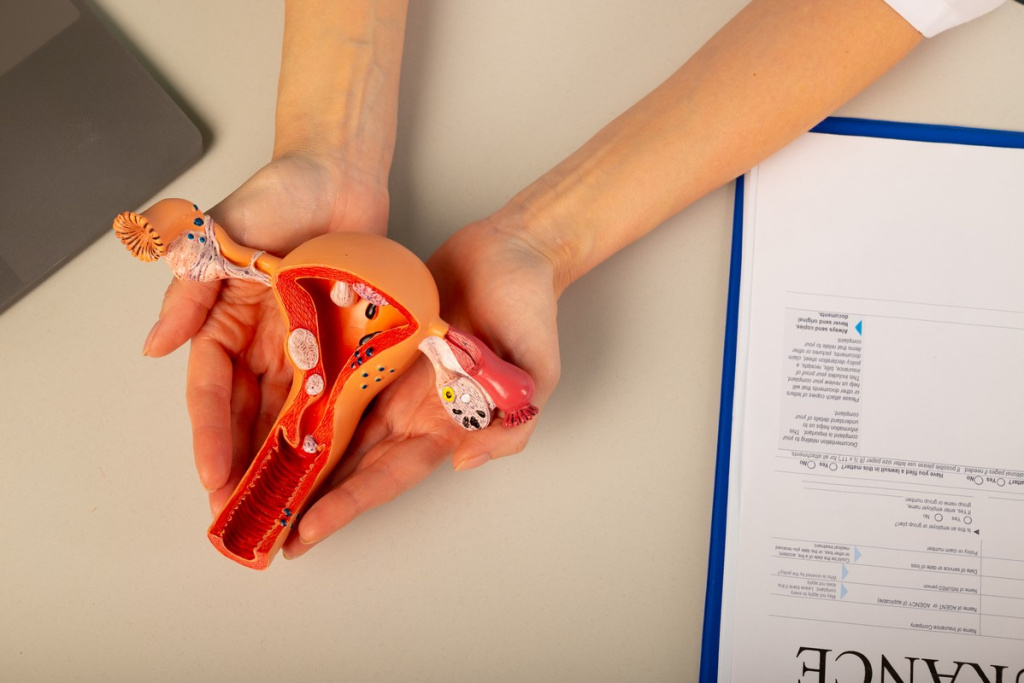
Консервативная гинекология – это подход к лечению гинекологических заболеваний, при котором стараются избегать хирургических вмешательств и лекарственной терапии с высоким риском побочных эффектов. Вместо этого применяются различные консервативные методы лечения. К примеру, медикаменты, фито-, физио- и гормональная терапия, акупунктура, массаж.
Консервативная гинекология часто используется в лечении функциональных нарушений, гинекологических заболеваний, проблем репродуктивного характера, которые не требуют срочной операции. Однако в некоторых случаях может потребоваться использование хирургического метода лечения, если консервативные методы не дают желаемого результата.
В обычной гинекологии в большинстве случаев используются хирургические методы, такие как кесарево сечение, лапароскопия, гистерэктомия и другие, которые могут повлечь за собой осложнения.
Консервативная гинекология также стремится к профилактике заболеваний и поддержанию здоровья женщин, а не только к лечению уже существующих проблем. Она уделяет большое внимание образу жизни, питанию, физической активности, психологическому благополучию и прочим аспектам, которые могут влиять на женское здоровье.
Когда пора обратиться к врачу?
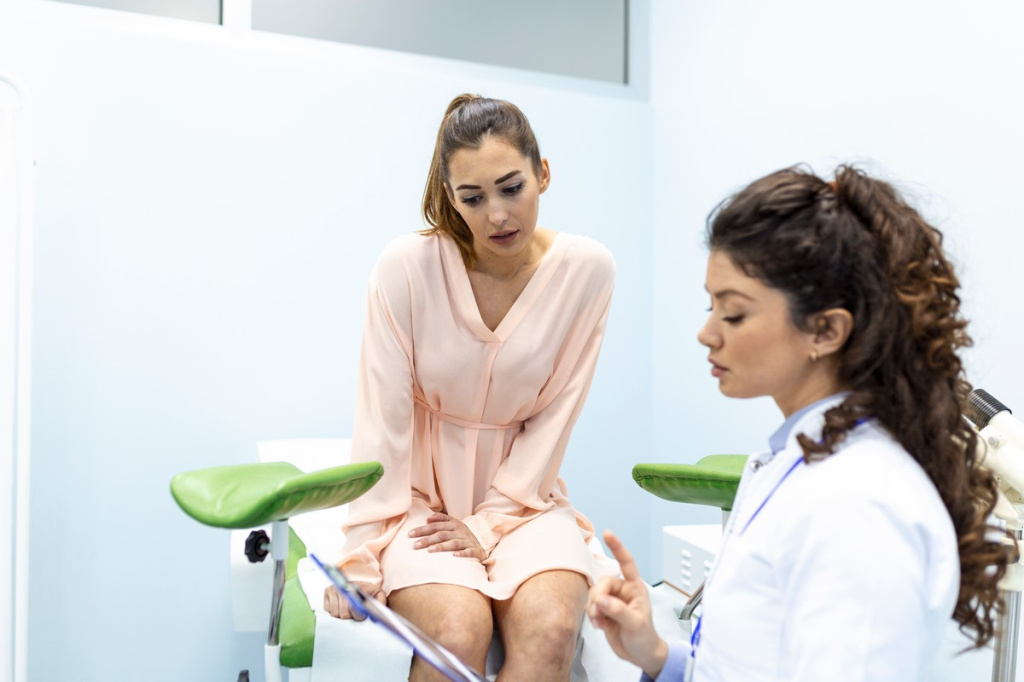
Консервативная гинекология подразумевает работу со всеми гинекологическими заболеваниями. Исключения составляют состояние, при которых требуется операция (удаление кисты, подозрение на воспалительные или злокачественные процессы).
К числу заболеваний, полностью или частично поддающихся консервативной гинекологии, относятся:
-
кандидоз;
-
нарушения менструального цикла;
-
гормональный дисбаланс;
-
заболевания, передающиеся половым путем;
-
эндометриоз;
-
миома;
-
цистит;
-
киста яичника;
-
бесплодие;
-
эрозия шейки матки;
-
кольпит;
-
синдром поликистозных яичников;
-
мастит.
Специалист консервативной гинекологии следит за состоянием здоровья женщины, начиная от ее полового созревания, продолжая периодом беременности и заканчивая менопаузой.
Симптомы заболеваний
Среди симптомов, при которых женщина должна обратиться к специалисту, можно выделить:
-
боль. Она локализуется внизу живота и в пояснице. Может появляться перед менструацией, во время и после нее, в процессе полового акта, а также во время мочеиспускания;
-
белые творожистые выделения;
-
снижение либидо;
-
разнообразные выделения с неприятным запахом (они могут быть зеленого, серого, желтого цвета);
-
маточные кровотечения;
-
сбой менструального цикла;
-
учащенное мочеиспускание;
-
боль в груди;
-
невозможность зачать ребенка;
-
оволосение по мужскому типу;
-
болезненное мочеиспускание;
-
зуд, жжение во влагалище.
Диагностика заболеваний
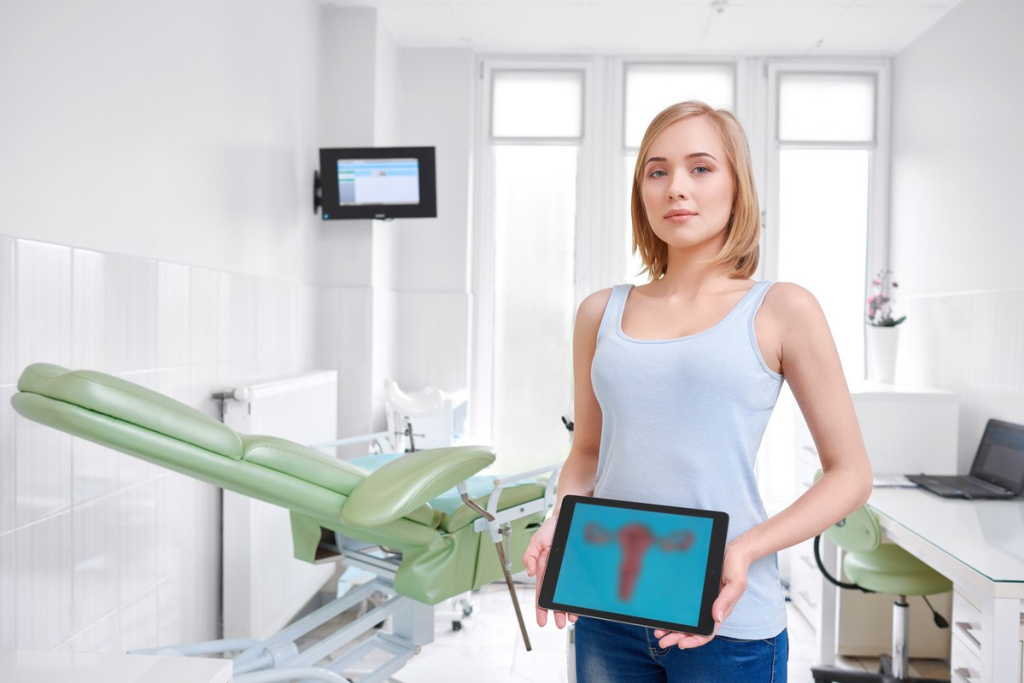
В консервативной гинекологии для диагностики различных заболеваний и состояний применяются различные методы. Выделим основные:
-
Осмотр на гинекологическом кресле.
Предназначен для оценки состояния здоровья женщины. Обычно во время осмотра гинеколог использует специальные инструменты для оценки влагалища, шейки матки, яичников и тканей вокруг них, а также для проведения различных тестов, например, на выявление инфекций или заболеваний.
Осмотр на гинекологическом кресле предваряет опрос женщины, выяснение ее истории заболеваний и процедур, которые могли повлиять на ее репродуктивную систему. Затем женщину доктор осматривает на специальном кресле.
Осмотр может включать в себя исследование влагалища и шейки матки с помощью педжета, гинекологических зеркал и лопаток, а также пальпацию яичников и тканей вокруг них. Гинеколог может также взять мазок для анализа на наличие инфекций и провести другие тесты, если это необходимо.
-
Кольпоскопия.
Это процедура, во время которой врач использует специальный прибор, называемый кольпоскопом, для осмотра шейки матки и влагалища с целью обнаружения патологических изменений. При кольпоскопии врач вставляет специальную линзу во влагалище и осматривает его через кольпоскоп, который освещает и увеличивает область, которую он исследует. Кольпоскопия может использоваться для выявления различных заболеваний, таких как воспаления, инфекции, опухоли и другие патологии в зоне шейки матки и влагалища. Кольпоскопия является важным методом диагностики гинекологических заболеваний и может помочь раннему выявлению многих возможных проблем.
-
Ультразвуковое исследование (УЗИ).
УЗИ может быть проведено по разным причинам, в том числе для:
-
выявления проблем с репродуктивной системой (кисты, полипы, опухоли, миома, эндометриоз, нарушения менструального цикла, воспалительные заболевания матки и яичников);
-
диагностики беременности;
-
проверки состояния шейки матки. УЗИ может помочь определить причины болей во время полового акта и подтвердить наличие или отсутствие инфекций;
-
профилактических целей. ВОЗ рекомендует проходить плановое обследование у гинеколога, в том числе, УЗ-диагностику ежегодно.
-
-
Гистологическое исследование.
Это метод исследования образцов пораженных тканей организма с целью определения характера заболевания. Обычно такое исследование выполняют при выявлении изменений шейки матки в ходе гинекологического обследования, при выявлении патологических изменений на УЗИ, при выявлении аномалий на пап-тесте или при наличии риска развития рака шейки матки.
Гистологическое исследование заключается в биопсии – взятии маленького образца ткани шейки матки для дальнейшего исследования под микроскопом. Это позволяет получить точную информацию о состоянии тканей, обнаружить наличие онкопатологии или других заболеваний, определить степень их развития и выбрать наиболее эффективное лечение.
Процедура занимает всего несколько минут и проводится в кабинете гинеколога с применением специального инструмента. Женщина может ощущать небольшую боль при биопсии, но обычно неприятные ощущения быстро проходят. После процедуры можно вернуться к обычной деятельности, но в течение нескольких дней желательно избегать интенсивных физических нагрузок и половых контактов. Результаты гистологического исследования шейки матки занимают от нескольких дней до нескольких недель.
-
Лабораторные исследования.
Например, анализы крови, мочи, бактериологические посевы, определение гормонального статуса и другие лабораторные исследования.
-
Маммография.
Это метод исследования молочных желез на предмет опухолей и других отклонений. Особенно актуален для женщин старше 35 лет.
Лечение

Женщине, которая проходит обследование у консервативного гинеколога, могут быть назначены следующие методы лечение:
-
лекарственные препараты, в том числе, антибиотики, противовоспалительные, гормональные болеутоляющие средства;
-
витаминные комплексы;
-
инфузионная терапия;
-
физиотерапия.
Также будут даны рекомендации по изменению образа жизни, коррекции питания, режима сна и отдыха.
Как проходит прием
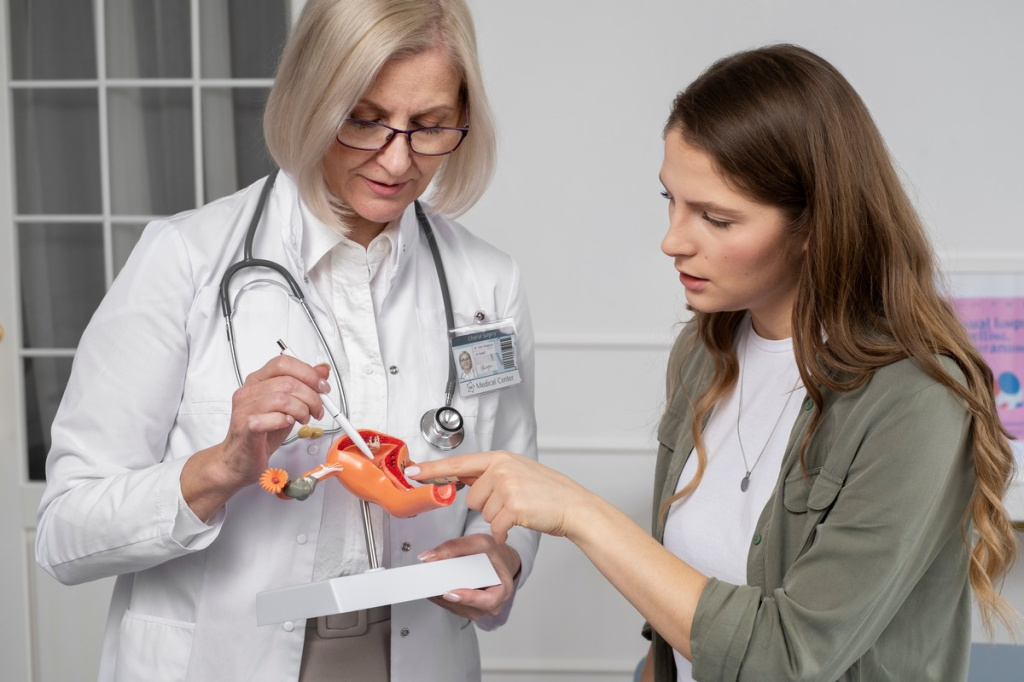
Каждый раз записываясь на прием к гинекологу, вы сталкиваетесь с консервативной гинекологией. Он проходит следующим образом:
1 этап – сбор истории болезни (анамнез). Врач смотрит вашу медицинскую карту, задает вопросы о текущем состоянии здоровья, тревожных симптомах.
2 этап – физический осмотр на гинекологическом кресле (исследование влагалища, шейки матки, матки, придатков, молочных желез).
3 этап – взятие мазков (стандартная процедура исследования цитологии шейки матки).
4 этап – проведение УЗ-диагностики (если это требуется).
5 этап – назначение анализов и обследований.
До того, как пациентка придет на повторный прием, ей может быть назначена медикаментозная терапия.
Отличительной чертой гинекологов Expert Clinics является наличие знаний из области антивозрастной медицины. Наши специалисты лечат не по стандартному протоколу, а с учетом всех индивидуальных особенностей организма женщины. Также уделяется большое внимание фазам детокса, снижению уровня окислительного стресса, гликации и так далее. Это максимально персонализированный подход.


 +7 (495) 154-21-44
  admin@expertclinics.ru