




Про услугу
К самым распространенным заболеваниям головного мозга относятся атеросклероз, инсульт, опухоль, аневризма сосудов, болезнь Альцгеймера. По статистике, до 85% людей имеют предрасположенность к развитию заболеваний, связанных с кровоснабжением мозга. Такие данные являются следствием нездорового образа жизни современного человека. Опасность заболеваний головного мозга – в их бессимптомности. То есть, долгое время они никак не дают о себе знать. Вот почему так важно вовремя “поймать” тревожные признаки или затормозить развитие заболеваний
Факты о мозге
-
Выделяют 5 отделов мозга, которые взаимодействуют друг с другом с помощью нейронных связей:
- Продолговатый. Отвечает за защитные рефлексы (чихание, кашель, рвота), пищевые (сосание, выделение слюны, глотание) и сердечно-сосудистые (регуляция работы сердца и кровеносных сосудов, а также дыхания и слуха).
- Задний отдел. На его «совести» - мимика, жевательные рефлексы, равновесие и работа мышц.
- Средний отвечает за тонус мышц и пигментацию кожи.
- Промежуточный регулирует обмен веществ, сердечно-сосудистую деятельность и сон.
- Конечный (большой) – это высший центр психической деятельности. Отвечает за обоняние, слух, зрение, движение.
- Средняя масса головного мозга составляет 1300-1400 граммов. То есть, имея массу не более 2% от всего тела, он потребляет четверть всей энергии.
- Мозг на 60% состоит из жира.
- Не имеет болевых рецепторов. Поэтому, когда нейрорхирурги проводят операции, они вводят обезболивающее только в кожу головы.
- От больших доз алкоголя мозг теряет способность создавать воспоминания. Поэтому, когда в человеке большая доза спиртного, он не запоминает происходящие события.
- Мозгу зачастую без разницы, делаете вы что-то на самом деле или в красках представляете это. Если вы нарисуете в воображении опасную и экстремальную ситуацию, то ваш пульс сразу повысится. Эта особенность нашей психики давно известна спортсменам. Многие из них перед соревнованиями занимаются визуализацией: они представляют себе всевозможные ситуации, которые могут с ними произойти во время турниров. Результаты исследований доказали, что такой метод улучшает результаты спортсменов, поскольку подготавливает их мышцы и тело.
- Существует феномен, известный как фантомные боли. Например, когда человеку ампутируют ногу, то он все равно испытывает в ней боль. Это происходит потому, что в мозге остались нервные окончания, которые отвечают за восприятие боли в этой ноге.
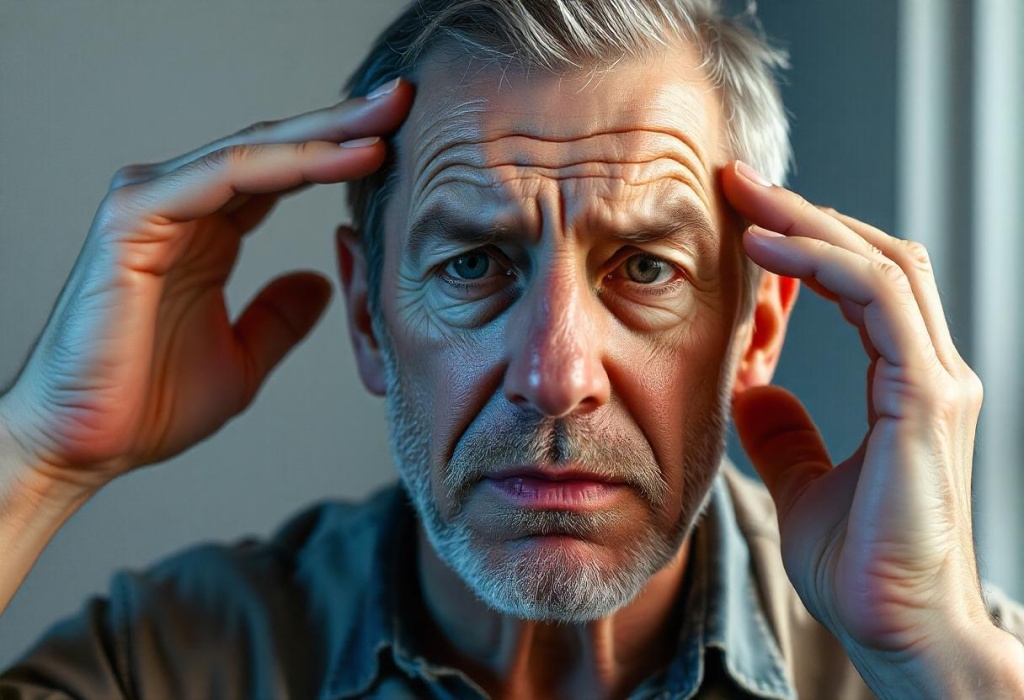
Симптомы заболеваний головного мозга
К общим симптомам болезней головного мозга относятся:
- частая головная боль, которая не проходит даже после приема лекарственных средств;
- ухудшение памяти;
- постоянная усталость;
- обмороки;
- судороги;
- лихорадка (температура тела может доходить до 40 градусов);
- похудение, доходящее до истощенности.
Специфические симптомы атеросклероза:
- Шум в ушах. Он возникает, когда холестериновая бляшка перекрыла кровоток в артерии на 60%.
- Снижение эрекции. Если у мужчины моложе 50 лет есть снижение эрекции, то у такого пациента риск умереть от инфаркта миокарда во много раз выше, чем у такого же человека с нормальной эректильной функцией.
- Холод в конечностях. Сосуды становятся более жесткими и по ним хуже течет кровь.
Специфические симптомы инсульта:
- Онемение лица, конечностей.
- Двоение в глазах.
- Трудность в передвижении.
Каждая третья смерть в России связана с этой патологией.
Инсульт бывает:
- Ишемический. Связан с закупоркой артерий, прекращением хода кровотока к мозгу и некроза его ткани. Причиной появления является закупорка сосудов, ведущих к мозгу в связи с атеросклеротической бляшкой. Вторая причина – это возникновение в сердце тромба, когда оно неправильно работает (например, во время аритмии). Как следствие, тромб «бежит» в мозговые сосуды, вызывая тромбоз.
- Неврологический. Связан с кровоизлиянием и образованием гематомы внутри черепа. Возникает из-за повышенного артериального давления, когда на его пике разрывается маленький сосуд внутри мозга, и появляется гематома.
Существуют признаки инсульта, вовремя распознав которые можно спасти жизнь. Для легкого запоминания их можно сложить в слово «УДАР»:
- Улыбка. Если человек не может улыбнуться, и у него опущен один из уголков рта.
- Движение. Человек не может двигать сразу двумя руками или ногами.
- Артикуляция. Человек не может что-то внятно сказать, даже своё имя.
- Решение. Чтобы спасти человека, следует отвезти его в больницу и провести необходимые обследования в течении 1-2 часов.
Специфические симптомы болезни Альцгеймера:
- Избегание контакта с людьми.
- Потерянность в пространстве.
- Снижение эмоциональности и интереса к жизни.
- Галлюцинации.
Болезнь Альцгеймера – это форма слабоумия, которая возникает у пожилых людей. Чаще всего обнаруживается у пациентов, перешедших порог в 65 лет. На данный момент является неизлечимым.
Специфические симптомы опухоли головного мозга:
- головная боль не проходит в течении двух недель-месяца;
- головная боль сопровождается рвотой, нарушением слуха, координации;
- двигательные персеверации (невозможность перестать выполнять действие);
- прогрессирует невнимательность, забывчивость.
Опухоли мозга делятся на доброкачественную, злокачественную и метастазы. В случае с доброкачественной заболевание развивается постепенно, медленно и мягко на протяжении нескольких лет.
Виды опухолей головного мозга:
-
Внутримозговые. Наиболее частой и агрессивной формой является глиобластома. Победить её практически невозможно. Опухоль прорастает сквозь здоровые ткани и не поддается локализации.
-
Внемозговые. Растут на основании или на поверхности черепа.
-
Метастазы – это вторичные опухоли головного мозга. Клетки основного рака проникают по току крови в головной мозг и вызывают рост метастазы.
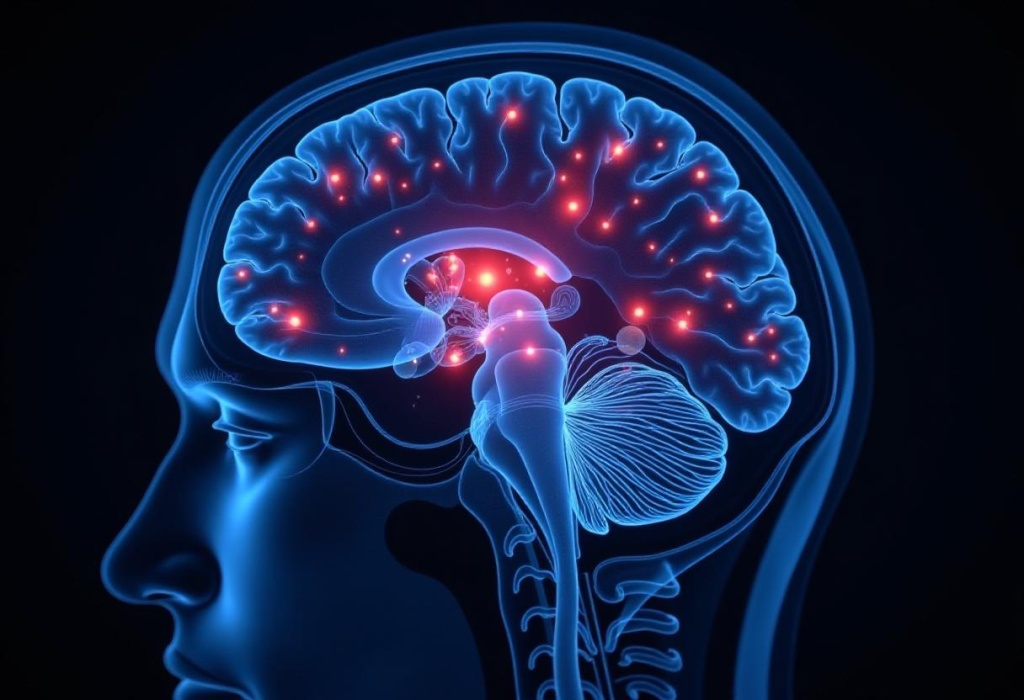
Факторы риска
Заболевания головного мозга могут спровоцировать разные причины, связанные с образом жизни, а также с уже имеющимися проблемами со здоровьем.
- Курение. Никотин и другие вещества, содержащиеся в табачном дыме, с большой скоростью провоцируют атеросклероз, аневризму сосудов.
- Низкая физическая активность. Физическая культура улучшает пластичность мозга — его способность создавать новые связи и преобразовывать самого себя. Соответственно, если человек не выполняет даже минимальных нагрузок, его мозг не создает новые нейронные связи и быстрее разрушает старые.
- Мужской пол. По данным исследований, именно мужчины чаще страдают заболеваниями мозга, так как ведут более нездоровый образ жизни.
- Повышенное давление. В результате скачков артериального давления может произойти выпячивание стенки сосуда в слабом месте.
- Неправильное питание и ожирение. Если талия женщины превышает 88 см, а мужчины – 102, необходимо отрегулировать свой рацион. При ожирении развивается нечувствительность к инсулину (клетки утрачивают восприимчивость к гормону, а поджелудочная железа вырабатывает его больше нормы).
- Алкоголь. Спирт, который содержится в алкогольных напитках, всасывается в кровь, попадает в мозг и разрушает его кору.
- Повышенный холестерин. Поражает сосуды, образуя холестериновые бляшки на их стенках, мешающие нормальному кровотоку.
- Стрессы. Недавние исследования показали, что стресс затрудняет работу мозга из-за выработки кортизола (гормона стресса).
- Возраст. Многие болезни начинают молодеть и проявляться в более раннем возрасте, чем десятки лет назад. Например, холестериновые бляшки начинают образовываться в сосудах головного мозга к 35 годам, что может привести к атеросклерозу.
- Генетика. Если у ваших близких родственников до 50 лет возникли болезни мозга, то вы находитесь в большой зоне риска.
- Инфекции и воспаления. Они воздействуют на мозговое вещество, нарушая работу иммунной системы и мозга.
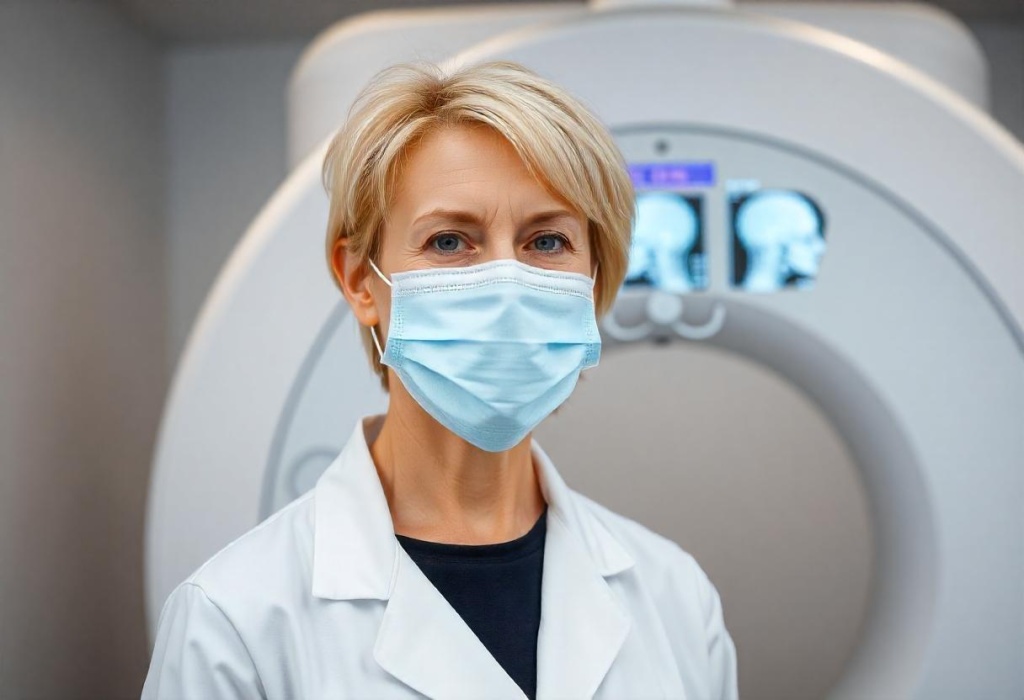
Диагностика и лечение заболеваний головного мозга
Каждое заболевание, безусловно, требует определенной методики лечения. Поэтому, если вы заметили у себя вышеперечисленные симптомы, необходимо записаться на консультацию к врачу-неврологу. Самолечение опасно для жизни.
Диагностика болезней мозга может выглядеть так:
- общий и клинический анализ крови;
- анализ мочи;
- МРТ (магнитно-резонансная терапия) с внутривенным контрастированием;
- КТ (компьютерная томография) головного мозга;
- Эхо КТ (УЗИ сердца);
- ЭКГ;
- ультразвуковая допплерография (инструментальный метод исследования при помощи ультразвука, который позволяет прояснить характер и скорость тока крови в артериях и венах);
- ангиография сосудов головного мозга (рентген, который позволяет увидеть сосуды головного мозга).
Лечение болезней головного мозга может быть медикаментозным (с помощью препаратов), немедикаментозным (соблюдение пациентом определенных правил) и хирургическим.
Чтобы снизить риск этих заболеваний, следует придерживаться простых, но очень важных правил:
- не менее двух раз в год сдавать анализы;
- вести здоровый образ жизни (физические нагрузки и отказ от спиртного и сигарет);
- соблюдать диету (кушать здоровую, нежирную пищу);
- избегать стресса;
- следить за своим состоянием и не игнорировать плохое самочувствие.
В клинике Expert Clinics вы сможете качественно и оперативно диагностировать состояние вашего здоровья, а также получить пошаговую инструкцию лечения.
Благодаря тесному сотрудничеству с врачами и профессорами ведущих клиник Европы, США и Азии мы определяем современные возможности лечения, чтобы в итоге выбрать оптимальный вариант.
Наши высококвалифицированные врачи постоянно совершенствуются в профессии, в том числе, и за рубежом. Они подойдут к вашей проблеме сугубо индивидуально и комплексно. С Expert Clinics вы найдете эффективное решение в кратчайшие сроки.
Часто задаваемые вопросы
Что входит в диагностику заболеваний головного мозга?
Комплексная диагностика включает МРТ, ЭЭГ, УЗДГ сосудов шеи и головы, нейропсихологическое тестирование, лабораторные анализы, консультации невролога и смежных специалистов.
В каких случаях стоит обратиться к врачу?
При частых головных болях, мигренях, ухудшении памяти, концентрации, нарушениях сна, головокружениях, шуме в ушах, эпизодах потери сознания или при отягощённой наследственности.
Какие подготовительные действия требуются перед обследованием?
В большинстве случаев подготовки не требуется, но некоторые процедуры (например, МРТ с контрастом) могут потребовать сдачи креатинина и соблюдения условий по приёму пищи.
Как проходит диагностическое обследование?
Вы посещаете клинику 1–2 раза: сначала сдаёте анализы и проходите инструментальные обследования, затем — консультация врача, формирование плана лечения (если необходимо).
Что делать после получения результатов?
По результатам врач подбирает индивидуальное лечение — медикаментозное, нейропротективное, нейропсихологическое или наблюдение с контролем в динамике.
Есть ли противопоказания к диагностике?
МРТ противопоказано при наличии металлических имплантов и кардиостимуляторов. Также ограничения могут касаться некоторых анализов при острых состояниях.
Что важно соблюдать после обследования?
Соблюдать рекомендации врача, при необходимости — пройти назначенный курс терапии, вести дневник симптомов, контролировать артериальное давление и уровень сахара.
Как быстро можно получить результаты и начать лечение?
Большинство анализов и обследований готово за 1–2 дня. План лечения формируется сразу после консультации, при необходимости — в течение недели.


 +7 (495) 154-21-44
  admin@expertclinics.ru