




Про услугу
В некоторых случаях гиперплазия эндометрия может прогрессировать до рака эндометрия, но большинство случаев доброкачественные и хорошо поддаются лечению.

Симптомы
В большинстве случаев гиперплазия эндометрия возникает в результате постоянно повышенного уровня эстрогена наряду с недостаточным уровнем гормонов, таких как прогестерон, которые обычно противостоят пролиферативным эффектам эстрогена.
Основным симптомом является аномальное вагинальное кровотечение, хотя в некоторых случаях оно может протекать практически бессимптомно.
Наиболее распространенными признаками гиперплазии являются:
-
вагинальное кровотечение между менструациями или после менопаузы;
-
обильные менструальные кровотечения;
-
менструации, которые длятся дольше, чем обычно;
-
боль во время полового акта;
-
аменорея (отсутствие менструаций);
-
ановуляторные периоды (менструальные циклы без овуляции).
Диагностика
Диагноз “гиперплазия эндометрия” обычно ставится на основании этих симптомов. Для диагностики используются следующие методы исследования:
-
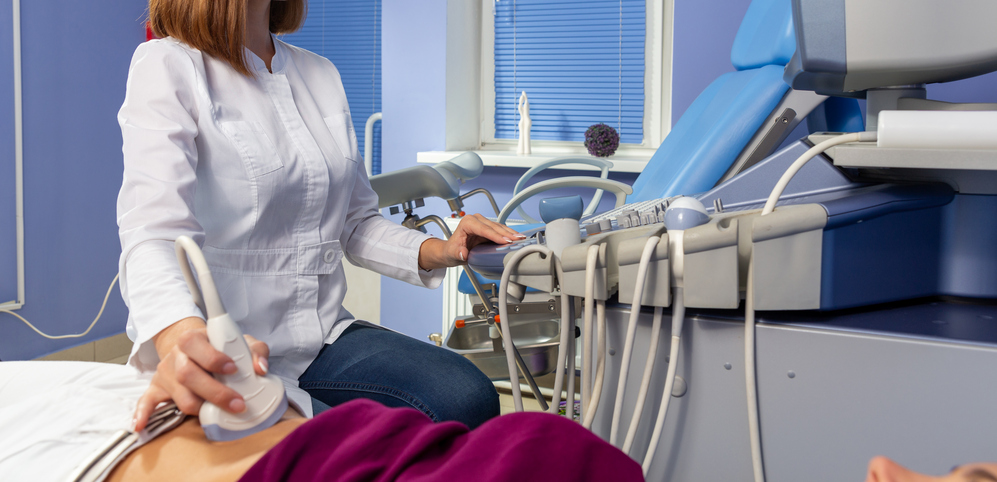
УЗИ трансвагинальное: позволяет увидеть состояние слизистой оболочки матки (эндометрия). Подозрение может возникнуть в случае обнаружения чрезмерно утолщенного эндометрия, но тогда будет необходимо гистологическое исследование эндометрия для диагностики и дифференциации типов гиперплазии.
-
Аспирационная биопсия с использованием гибких аспирационных канюль (аспирационный кюретаж): позволяет взять образец эндометрия.
-
Гистероскопия: позволяет визуализировать полость и ее слизистую оболочку и при необходимости сделать биопсию.
Типы гиперплазии
После проведения диагностики можно будет определить, с каким типом гиперплазии эндометрия мы имеем дело.
Обычно выделяют следующие виды заболевания:
-
Простая гиперплазия. Когда клетки эндометрия активно растут и размножаются, это называется простой гиперплазией. Они могут регрессировать спонтанно или при медикаментозном лечении и имеют низкий риск развития рака. У такого типа гиперплазии очень низкий потенциал малигнизации в течение многих лет (риск развития рака эндометрия 1%).
-
Сложная гиперплазия. Избыточный рост клеток эндометрия со структурными изменениями железистого компонента и большим потенциалом малигнизации, чем при простой форме (риск менее 5%). Неатипические гиперплазии имеют нормальные клетки и железы, хотя их количество и размеры увеличены. Когда клетки претерпевают изменения, которые предрасполагают их к раку, это называется атипической гиперплазией (либо простой, либо сложной атипической гиперплазией).
-
Атипическая гиперплазия эндометрия: гиперплазия с наличием клеточной атипии и структурными изменениями железистого компонента, но без какой-либо инвазии стромы эндометрия. Высокий потенциал малигнизации и эволюции в сторону аденокарциномы эндометрия, фактически считается предраковым поражением (риск 25-30%).
Среднее время прогрессирования от гиперплазии без атипии до карциномы составляет около 10 лет, в то время как для трансформации гиперплазии с атипией в карциному требуется около 4 лет. Она имеет тенденцию развиваться в аденокарциному эндометрия чаще у женщин в постменопаузе, фактически пик заболеваемости атипической гиперплазией эндометрия приходится на возраст около 60 лет. В различном процентном соотношении от 12% до 42% имеется карцинома эндометрия у пациенток с диагнозом атипическая гиперплазия эндометрия.
Причины
Гиперплазия эндометрия вызывается хроническим и длительным воздействием эстрогенов, поэтому чаще встречается у пациенток с хронической ановуляцией или избыточной массой тела.
Таким образом, факторами риска считаются:
-
ожирение;
-
синдром поликистозных яичников;
-
отсутствие родов;
-
ранняя менструация;
-
поздняя менопауза;
-
гормональная терапия только эстрогенами;
-
наличие опухолей, секретирующих эстроген;
-
курение;
-
диабет;
-
дисфункция щитовидной железы;
-
рак матки, яичников или толстой кишки в семейном анамнезе.
Существуют также генетические состояния (такие как синдром Линча), которые повышают риск рака эндометрия и, следовательно, также являются фактором риска.
Во всех случаях это реакция на чрезмерное хроническое воздействие эстрогена, недостаточно уравновешенное прогестероном.
Гиперплазия эндометрия редко встречается у женщин в возрасте до 30 лет, ее частота увеличивается после 45 лет, с пиком заболеваемости в 50-54 года.

Лечение
Терапия зависит в первую очередь от гистологического диагноза (тип гиперплазии и, следовательно, риск опухолевой прогрессии), а также от наличия или отсутствия симптомов, возраста пациента и желания иметь потомство. При гиперплазии эндометрия без клеточной атипии в первую очередь потребуется коррекция состояния гиперэстрогении, например путем снижения веса для пациенток с избыточной массой тела. Таким образом, с доброкачественной гиперплазией можно справиться, просто выжидая (регулярно проводя УЗИ и/или гистологию), а не прибегая к гормональной терапии на основе прогестерона.
Для женщин с типичной гиперплазией лечение гиперплазии эндометрия может включать гормональную терапию для получения дополнительного прогестерона. Это способствует нормализации соотношения эстрогенов к прогестерону, а также предотвращению чрезмерного роста эндометрия.
Женщины с атипичной гиперплазией подвержены повышенному риску рака матки, поэтому им следует рассмотреть возможность более радикального лечения. Наиболее распространенным вариантом является гистерэктомия (хирургическое удаление матки), но женщины, желающие в будущем иметь детей, могут предпочесть и другие варианты.
Распространенной альтернативой гистерэктомии является более сильная версия гормональной терапии: если женщина хочет иметь детей, обычно начинают гормональную терапию противозачаточными таблетками или прогестероном, что предусматривает наблюдение у врача (первоначально примерно каждые 3 месяца, затем каждый год), чтобы контролировать динамику.
Профилактика
Можно ли предотвратить гиперплазию эндометрия?
Женщины, уже пережившие менопаузу, более склонны к развитию данной патологии. Это связано с тем, что баланс гормонов и менструальные циклы меняются.
Хотя гиперплазия эндометрия не является полностью предотвратимым состоянием, она тесно связана с ожирением. Увеличение подкожной клетчатки, типичное для больных с высоким индексом массы тела, увеличивает эндогенную продукцию эстрогенов, известный фактор риска возникновения заболевания. Поэтому всем пациенткам с доброкачественной гиперплазией эндометрия будет рекомендовано изменить образ жизни и похудеть.
Другие меры профилактики может порекомендовать ваш лечащий врач.


 +7 (495) 154-21-44
  admin@expertclinics.ru