




Про услугу
Примерно 90% женщин репродуктивного периода ощущают ухудшение самочувствия перед менструацией. Повышенная раздражительность, эмоциональная неустойчивость, болезненность молочных желез, сильный аппетит — частые проявления ПМС у девушек. Обычно симптомы проходят самостоятельно, но иногда бывает необходима помощь специалистов.
Что такое ПМС

ПМС расшифровывается как предменструальный синдром. Это целый набор физических, эмоциональных и поведенческих симптомов, которые проявляются у женщин перед началом менструаций.
За сколько дней до менструации начинается ПМС? Обычно за 3–10 дней, прекращается с появлением менструальных кровотечений.
ПМС — очень распространенное явление, которое встречается у 20–30% женщин, из них почти каждая 10-я жалуется на тяжелые симптомы. Может быть у девушек, но наиболее характерен для возраста 30–40 лет. В период менопаузы симптомы ослабевают.
В чем отличие месячных от ПМС? Менструация — это естественные циклические изменения в организме, связанные с изменением гормонального фона. Именно они делают беременность возможной. А ПМС — неприятные физические ощущения и психологический дискомфорт, возникающие перед месячными.
Причины развития ПМС
ПМС связан с изменением уровня гормонов, специфических для цикла женской репродуктивной системы. Ключевую роль в развитии синдрома играют следующие гормоны:
-
эстрогены (производятся в яичниках);
-
прогестерон (образуется в яичниках после овуляции);
-
пролактин (выделяется гипофизом);
-
серотонин (нейромедиатор, который влияет на настроение и эмоции).
Дисбаланс гормонов, часто со снижением уровня прогестерона относительно эстрогенов во вторую фазу цикла, т.н. эстрогендоминирование, может быть причиной ПМС. ПМС отличают физические симптомы, такие как боли в груди и вздутие живота, а также эмоциональные изменения: раздражительность, тревога, апатия.
Основные симптомы ПМС у женщин

Симптомы ПМС очень разнообразны. Они могут оказывать значительное влияние на ухудшение самочувствия. Вы можете сталкиваться с рядом признаков:
-
нагрубание и повышенная чувствительность молочных желез;
-
боль внизу живота или спине;
-
головные боли, в т.ч. усиление мигрени;
-
необъяснимые перепады настроения;
-
плаксивость;
-
повышенный и неконтролируемый аппетит;
-
раздражительность;
-
тревога;
-
апатия;
-
ухудшение состояния кожи и волос - акне;
-
сонливость;
-
запоры;
-
диарея;
-
изменение либидо;
-
отеки.
Данные симптомы не являются физиологической нормой и в случае выраженного дискомфорта требуют коррекции.
Факторы риска

На тяжесть ПМС могут оказывать влияние некоторые факторы:
-
хронический стресс;
-
плохой сон;
-
неврологические, эндокринные, воспалительные заболевания;
-
аборты, выкидыши;
-
наследственность;
-
злоупотребление неполезной пищей;
-
работа на вредном производстве;
-
нарушение режима работы и отдыха;
-
отсутствие беременностей.
К распространенным факторам риска относится дефицит некоторых веществ (кальция, магния, йода). Кальций и магний играют важную роль в метаболизме гормонов, которые регулируют менструальный цикл. Йод является ключевым элементом для синтеза гормонов щитовидной железы. Недостаток этого элемента может приводить к ухудшению функции щитовидной железы, что может приводить к нарушению менструального цикла и появлению ПМС. Дефицит кальция и магния может вызывать болевые ощущения и ухудшать настроение, что может приводить к усилению симптомов ПМС: болей в животе, раздражительности, нервозности и других проявлений.
Разновидности ПМС
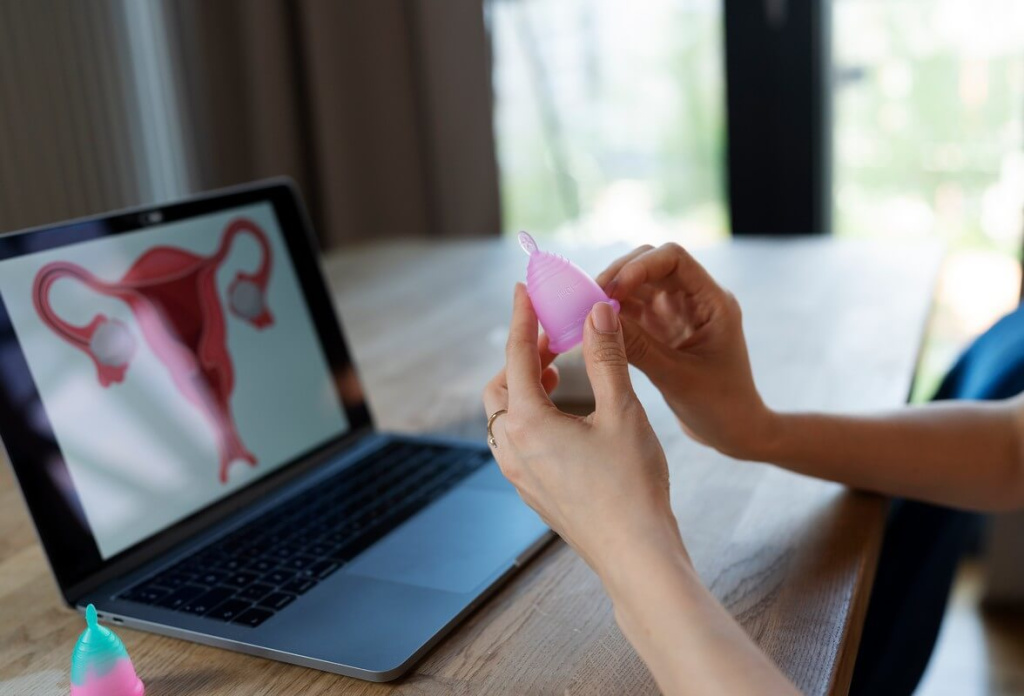
В зависимости от набора симптомов выделяются следующие формы:
-
отечная — сопровождается отеками лица, ног, пальцев, нагрубанием молочных желез, кожным зудом, расстройствами кишечника;
-
цефалгическая — пациентка страдает от пульсирующих головных болей, которые проявляются с одной стороны и усиливаются при движении;
-
кризовая — происходят приступы, напоминающие панические атаки: учащается пульс, скачет давление, начинаются боли в области сердца;
-
нейропсихическая — для нее характерны раздражительность, депрессия, бессонница, агрессивность, вплоть до суицидальных мыслей;
-
атипичная — обычно маскируется под бронхиальную астму, миокардиопатию, стоматит и другие болезни.
По тяжести симптомов выделяют легкую и тяжелую формы. В первом случае за несколько дней до месячных появляются 3–4 симптома, сильно выражены 1 или 2. При тяжелой форме проблемы могут начаться за 3–14 дней, и это 5 и более ярко выраженных признаков.
Предменструальное дисфорическое расстройство (ПМДР)
Так называют более отягощенное и осложненное течение ПМС. От предменструального дисфорического расстройства страдают около 3–8% женщин. Заболевание характеризуется следующими симптомами:
-
мигрень;
-
отек голеней и пальцев рук;
-
социальная отстраненность;
-
«туман в голове»;
-
сильные боли внизу живота;
-
трудности с концентрацией внимания;
-
обильное мочеиспускание;
-
сильная раздражительность, гнев, ощущение безысходности;
-
бессонница;
-
панические атаки.
В такие моменты женщина может казаться, что она загнана в угол, и из этого состояния трудно выбраться самостоятельно. Поэтому помимо лечения у гинеколога и эндокринолога необходима помощь психолога или психиатра. Чем больше женщина осведомлена в этом вопросе, тем легче ей будет справиться с ПМДР.
Диагностика ПМС: этапы и особенности
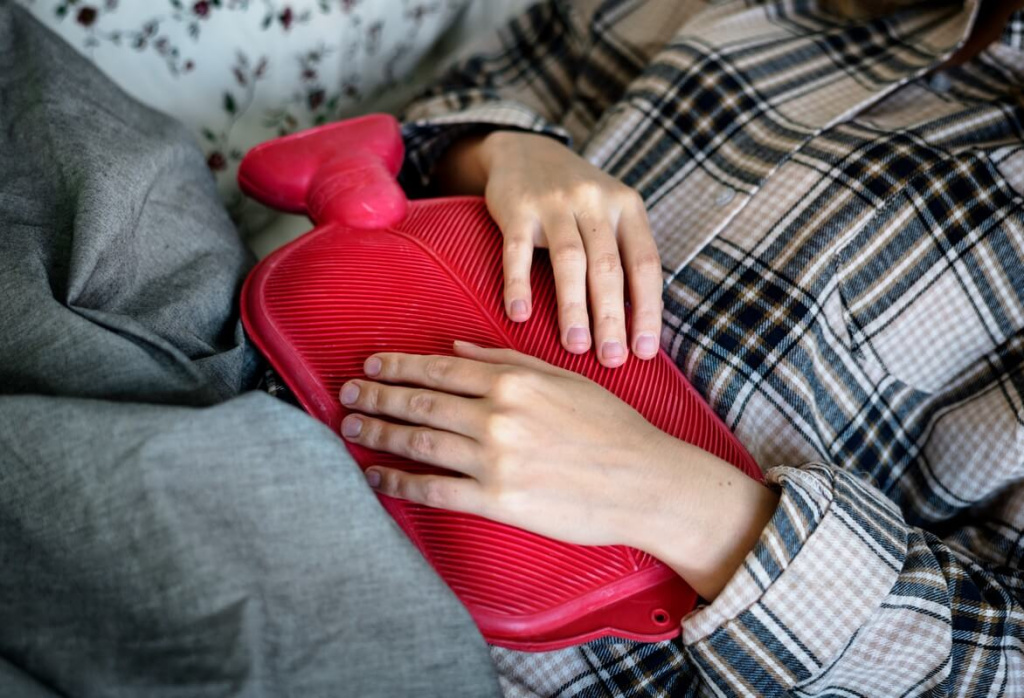
Если синдромы ПМС длятся более 7 дней и приносят вам сильный дискомфорт, то очень важно обратиться к акушеру-гинекологу. Врач проверит работу вашей гормональной системы и проведет диагностику щитовидной железы.
Диагностика синдрома ПМС осуществляется в несколько этапов:
-
сдача лабораторных анализов (общий анализ крови, общий анализ мочи, биохимическое исследование крови, Т3, Т4, гормональный профиль по фазам цикла: ЛГ, ФСГ, эстрадиол, тестостерон, прогестерон, ДГЭАс, дополнительное исследование по показаниям: витамины и минералы на наличие дефицитов);
-
УЗИ щитовидной железы и органов малого таза;
-
осмотр женщины в зеркалах с проведением дополнительных исследований по показаниям (например, кольпоскопия, исследование мазка на цитологию).
ПМС диагностируется на основании результатов обследования и подтверждается при помощи менструальной карты. В ней сама пациентка (под контролем врача) в течение 2–3 месяцев отмечает интенсивность симптомов в зависимости от дня цикла. Многие женщины ведут дневник менструаций в мобильном приложении.
Способы лечения предменструального синдрома
Лечение ПМС – это лечение причины ПМС, а иммено, например, эстрогендоминирования или гипотиреоза. Лечение может быть фитопрепаратами, добавками (витамины, минералы) и гормональное лечение по показаниям (например, биоидентичный прогестерон во вторую фазу).
Важно понимать, что лечение ПМС должно носить сугубо индивидуальный подход. Не существует «волшебной таблетки» для всех. Вы приходите на прием к гинекологу, рассказываете максимально подробно о своих жалобах, сдаете анализы. И уже на основании этого вам будет назначена индивидуальная терапия.
Она может включать посещение психотерапевта (желательно вместе с партнером), прием фитопрепаратов, добавок (витаминов, минералов) и гормональное лечение по показаниям (например, биоидентичный прогестерон во вторую фазу), назначение нестероидных противовоспалительных (помогают избавиться от болей) и других средств в зависимости от состояния пациентки. Эффективными оказываются водные процедуры, массаж, вакуумная терапия.
Продолжительность лечения зависит от тяжести и длительности клинических проявлений. Оно, как правило, продолжается в течение трех менструальных циклов.
К каким врачам обычно обращаются при ПМС
Если синдром мешает жить полноценно, в первую очередь необходимо проконсультироваться с гинекологом, который назначит лечение.
Исключить наличие соматических нарушений со схожими с ПМС симптомами поможет терапевт. При необходимости он направит пациентку на дополнительное обследование и на прием к узким специалистам.
При тяжелом течении ПМС обращаются к психологу, психиатру. Они помогают преодолеть стрессовые состояния, тревожные расстройства. Курс психотерапии поможет исправить ошибки мышления, скорректировать восприятие и поведение, справиться с эмоциональным дискомфортом.
Профилактика

В наших силах сделать все возможное, чтобы не ухудшить общее самочувствие в предменструальный период. Для этого существует ряд рекомендаций:
-
Сон. Чем качественнее женщина будет высыпаться, тем лучше будет работать ее нервная система.
-
Правильное питание. Исключите кофе, алкоголь, сладкое, кислое, соленое. Все это приводит к задержке жидкости в организме.
-
Легкие физические нагрузки (плавание, пилатес, йога, стретчинг).
-
Контрастный душ. Полезен для вегетососудистой и сердечно-сосудистой системы.
-
Устранение дефицитных состояний. Это касается в первую очередь нормализации общего гормонального фона и уровня отдельных веществ (магния, кальция, йода, витаминов Д, Е, В6 и др.).
-
Исключение стрессовых ситуаций, чрезмерных физических и психических нагрузок.
Если вас беспокоят неприятные симптомы в преддверии менструаций и мешают вам жить полноценной жизнью, обратитесь за лечением ПМС в клинику Expert Clinics в Москве. Наши специалисты устранят причины нарушений и помогут справиться с имеющимися проблемами. Записаться на прием можно прямо сейчас — по телефону или онлайн.


 +7 (495) 154-21-44
  admin@expertclinics.ru