




Про услугу
Ультразвуковое исследование половых органов у мужчин - современный метод диагностики, который позволяет максимально рано выявлять нарушения. Регулярное проведение УЗИ-скринингов особо важно в предупреждении и своевременном лечении онкозаболеваний.
Как показывает практика, большинство мужчин записываются к врачу лишь когда появились неприятные симптомы. Однако многие заболевания развиваются без явных признаков, всерьез угрожая мужскому здоровью. Своевременная ультразвуковая диагностика может стать одним из важнейших инструментов его сохранения на долгие годы.
Когда нужно обследоваться мужчинам?
Мужчинам стоит прислушиваться к своему организму и следить за здоровьем и в 18, и в 70 лет одинаково трепетно. Поскольку многие заболевания стремительно “молодеют”, важно своевременно обнаружить и вылечить нарушения.
Согласно рекомендациям врачей, уже начиная с 25 лет УЗИ для мужчин рекомендуется проходить дважды в год, как и расширенную диагностику организма. Список необходимых анализов определяет врач после первичной консультации.
Особенно бдительными нужно быть после 35 лет. Именно с этого возраста часто запускаются урологические болезни: простатит, аденома простаты и мочекаменная болезнь. Начиная с этого возраста, врачи рекомендуют проходить скрининг для мужчин ежегодно.
Также УЗ-диагностика необходима в любом возрасте, если вы:
- готовитесь к зачатию ребенка;
- хотите своевременно выявить проблемы и устранить их;
- имеете генетическую предрасположенность к конкретной болезни.
Если у вас появились какие-либо из этих признаков, то независимо от возраста, необходимо сразу обратиться к врачу-андрологу:
-
Проблемы с мочеиспусканием:
• болезненные ощущения;
• затруднение процесса;
• частые позывы;
• появление крови или других смесей в моче;
• ощущение неполного опорожнения.
-
Половая дисфункция:
• потеря интереса к физической близости;
• неодновременность оргазма и семяизвержения;
• болевые ощущения и дискомфорт в паховой области;
• отсутствие утренней эрекции;
• слабость полового члена во время полового акта;
• трудность возбуждения;
• изменение цвета спермы.
-
Болевые ощущения в области:
• мошонки;
• крестца;
• поясницы.
Что показывает УЗИ-скрининг?
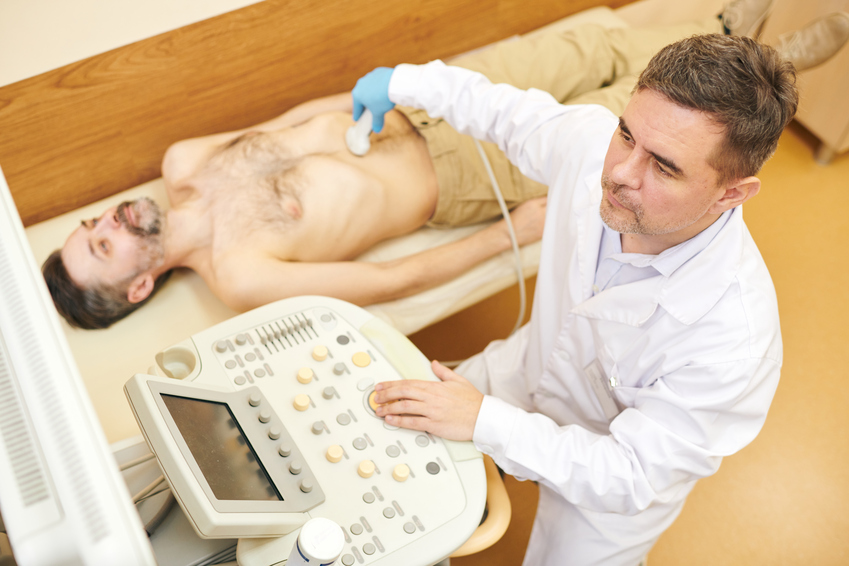
Ультразвуковая диагностика считается одной из самых доступных, эффективных и, к тому же, безболезненных методик, благодаря которой можно выявить целый ряд опасных заболеваний.
Например, таких:
- Доброкачественные и злокачественные опухоли. Они могут поражать любой орган нашего организма и долго оставаться незамеченными.
- Кисты. Эти доброкачественные опухолевые образования могут формироваться в структурах разных органах. Причиной их появления часто становятся травмы, перенесенные операции, воспалительные процессы.
- Перекрут яичка. Состояние, при котором происходит заворот семенного канатика и нарушения кровоснабжения яичка.
- Эпидидимит. Это воспаление придатка яичка. Часто является осложнением уретрита и простатита.
- Простатит. Исключительно мужское заболевание, воспаление предстательной железы. Простатит бывает бактериальным (вызванным инфекциями), застойным (причина – застой секрета) и калькулезным (связанным с появлением камней).
- Аденома простаты. Это разрастание ткани предстательной железы. В возрасте от 45 лет встречается у 30% мужчин.
- Мочекаменная болезнь. Камни могут возникать в почках, мочеточниках и мочевом пузыре.
УЗИ – неотъемлемый помощник в визуализации состояния сосудистых стенок, сосудов, определения формы и размера органа.
Какие органы исследуют с помощью ультразвуковой диагностики?
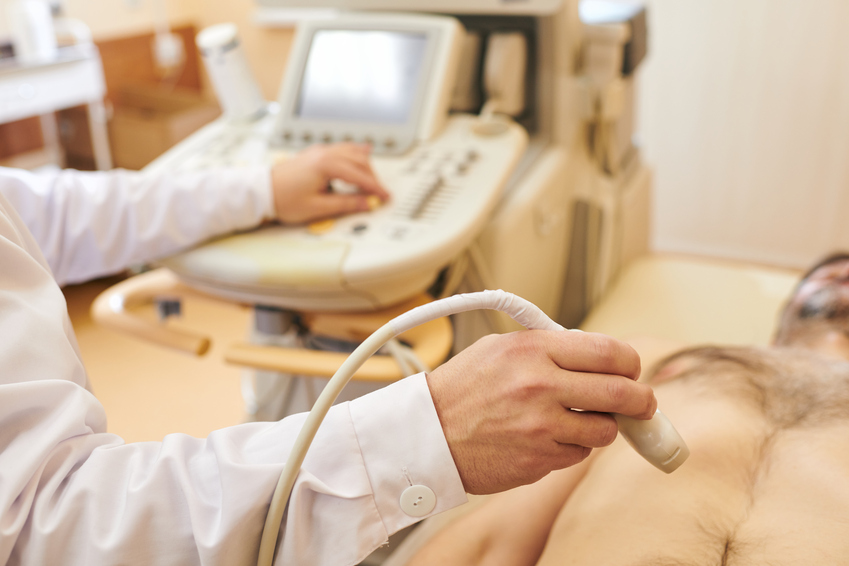
УЗИ – это быстрый, качественный и эффективный способ выявления патологий.
Ультразвуковая диагностика даёт огромный потенциал в исследовании у мужчин:
- предстательной железы;
- семенных пузырьков;
- яичек;
- почек;
- надпочечников;
- мочевого пузыря;
- мочеточника;
- прилегающих структур, лимфоузлов;
- кровотока в кровеносных сосудах органов.
И, что немаловажно, во время УЗИ вы не испытаете неприятных ощущений, а только заложите фундамент для крепкого здоровья.


 +7 (495) 154-21-44
  admin@expertclinics.ru