




Про услугу
Что это такое
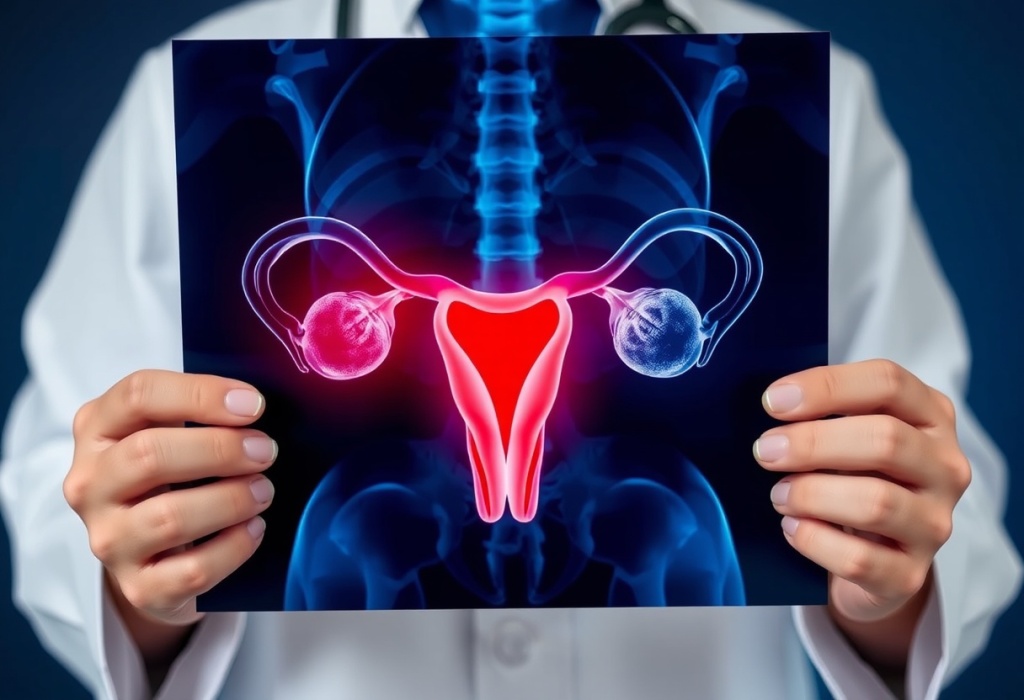
Преждевременная недостаточность яичников (ПНЯ) - это состояние, при котором яичники женщины не производят достаточное количество эстрогенов для поддержания регулярных менструальных циклов и деторождения. Данный синдром также известен как преждевременная менопауза.
Менопауза – это последняя менструация в жизни женщины. В среднем она наступает в 50 лет. Если она случается раньше, то врачи говорят о ранней менопаузе, а в случае наступления климакса до 40 лет гинеколог может поставить диагноз “преждевременная менопауза”
Обычно ПНЯ возникает до 40 лет у женщин, которые ранее не имели проблем со здоровьем яичников. Среди причин появления ПНЯ могут быть генетические аномалии, аутоиммунные заболевания, хронические заболевания, воздействие определенных лекарственных препаратов или хирургические операции на яичники.
Преждевременная недостаточность яичников является серьезным состоянием, которое требует тщательного медицинского наблюдения и лечения.

Симптомы
Ранними “звоночками” преждевременного истощения яичников являются:
-
приливы жара, повышенное потоотделение. Примерно 80% женщин реагируют на снижение выработки эстрогенов нарушениями теплорегуляции. Они могут периодически испытывать неприятные ощущения во время полового акта;
-
сухость влагалища;
-
набор веса;
-
снижение либидо;
-
резкое сокращение менструального цикла;
-
менструальные выделения стали скуднее;
-
перед началом менструации появляются отеки и ознобы;
-
быстрое развитие остеопороза;
-
нарушение сна, памяти, концентрации внимания;
-
нестабильное эмоциональное состояние.
Причины
Точные причины преждевременного угасания яичников не известны. Однако на этот процесс могут повлиять:
-
Генетические факторы.
Возможно, в процессе внутриутробного развития женщины заложилось недостаточное количество фолликулов, которые мы тратим в течение всей жизни. Также некоторые генетические заболевания, например, блефарофимоз или галактоземия, тоже могут стать причиной преждевременного истощения яичников.
-
Воспалительные процессы.
В частности, эндометрит, кольпит, параметрит, сальпингоофорит, цервицит.
-
Аутоиммунные процессы.
При аутоиммунных заболеваниях организм вырабатывает антитела против собственных органов и систем. При хроническом течении фолликулы могут замещаться рубцовой тканью.
-
Стресс.
Стресс может влиять на функцию яичников через различные механизмы. Например, увеличением уровня гормона кортизола. А он, в свою очередь, при значительном повышении уровня, подавляет функцию яичников. Кроме того, стресс повышает уровень гормона пролактина, что тоже оказывает негативное влияние на работу яичников. Кроме того, возможно подавление иммунной системы и ослабление защитных функций всего организма.
-
Несбалансированное питание.
На качество фолликулов оказывают большое влияние белок, жир и железо. Если они поступают в организм через пищу в недостаточном количестве, то могут стать одной из причин их раннего угасания.
-
Эндометриоз.
Само заболевание и его лечение гормональными препаратами ухудшают овариальные запасы женщины.
-
Операция на яичниках.
Хирургические вмешательства могут стать причиной возникновения рубцов на тканях органов малого таза.
-
ЭКО.
Зачастую, чтобы получить заветные две полоски на тесте, женщина проходит не одну и даже не две попытки ЭКО. Если их случилось много, то ресурсы женщины, в том числе и овариальные, снижаются.
-
Опухоль яичников.
Новообразования могут повреждать здоровую фолликулярную ткань.
-
Химиотерапия.
Облучение благотворно влияет на злокачественные опухоли, но при этом наносит вред всему организму, в том числе, яичникам.
Диагностика
Диагностика этого состояния начинается со сбора анамнеза и физического обследования, включая осмотр гинеколога. Далее идут:
-
сдача анализов. Чтобы текущая клиническая картина была максимально понятна доктору, необходимо проверить уровень половых гормонов ( ЛГ, ФСГ, эстрадиол, пролактин, 17-ОН тестостерон) с 3 по 5 день менструального цикла, а также железа, магния, витаминов группы В;
-
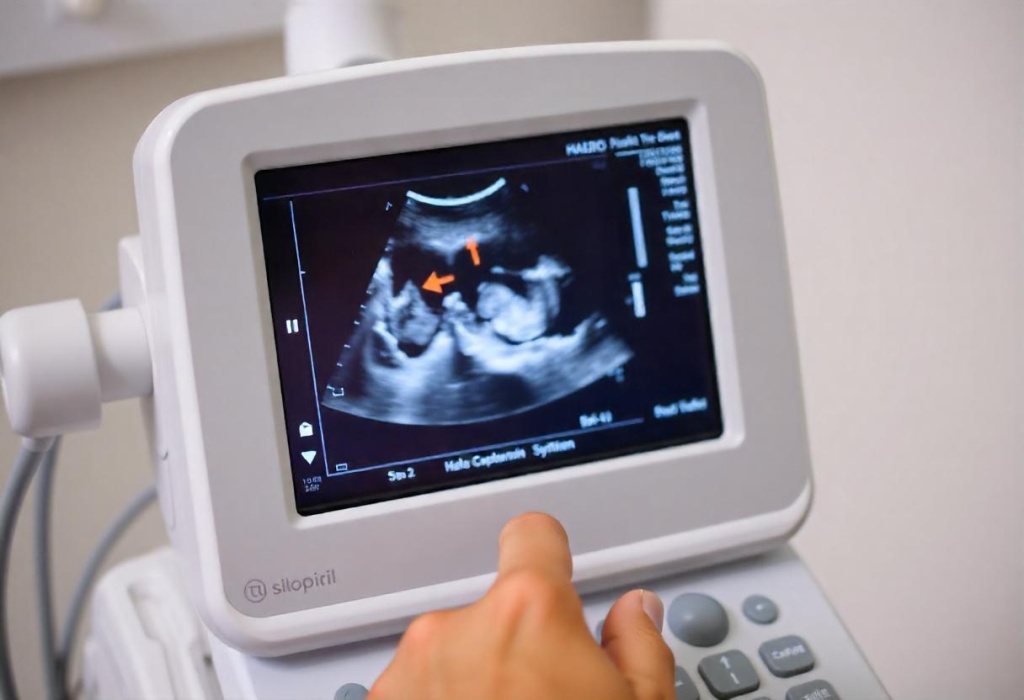
УЗИ малого таза на 7-8 день цикла. Если менструаций не было последние 3 месяца, пройти УЗ-диагностику можно в любой день. Обследование поможет увидеть количество фолликулов и посмотреть толщину эндометрия;
-
оценка наследственности. Дополнительные исследования могут потребоваться в случае, если есть семейная история преждевременной недостаточности яичников. Обычно в таких случаях пациентке рекомендуют генетическое консультирование, чтобы оценить риск;
-
биопсия яичников. Она может использоваться для подтверждения преждевременной недостаточности яичников. Этот метод применяется только в тех случаях, когда другие диагностические методы недостаточны для установления диагноза;
-
исследование щитовидной железы, рентгенография грудной клетки и мочевой тест. Дополнительные исследования могут потребоваться для исключения других возможных причин симптомов, связанных с преждевременной недостаточностью яичников.
В целом диагностика преждевременной недостаточности яичников является комплексной.

Способы лечения
Лечение может включать гормональную заместительную терапию, использование методов ВРТ (вспомогательных репродуктивных технологий) или другие методы, в зависимости от причины развития синдрома.
Также могут быть использованы препараты для стимуляции яичников. У женщин с ПНЯ наблюдается нарушение менструального цикла. Препараты для стимуляции яичников могут помочь восстановить цикл и увеличить вероятность зачатия. Однако данный метод подходит не для всех, поскольку у некоторых женщин яичники не могут быть стимулированы.
Важно: самостоятельное назначения гормональных средств может привести к очень неблагоприятным последствиям, в том числе, онкологическим. Поэтому принимайте только те медикаменты и добавки, которые вам назначил доктор.


 +7 (495) 154-21-44
  admin@expertclinics.ru