




про услугу
Не только женский, но и мужской организм подвержен возрастным изменениям гормонального фона. У мужчин после 30 лет начинает снижаться уровень тестостерона. С 40 годам многие из них отмечают у себя наличие признаков дефицита половых гормонов. Гормональные изменения влияют на физическое и психическое состояние, сексуальную активность. Так начинается климакс у мужчин.
Мужской климакс: что это такое?

Климакс считается женским диагнозом, объединяющим различные симптомы, появляющиеся до и после наступления менопаузы. Но и мужчин он бывает. Мужской климакс (андропауза, возрастной андрогенный дефицит) наступает из-за снижения уровня мужских половых гормонов (андрогенов) вследствие старения. Главный среди них — тестостерон. Он влияет на работу половых органов: придатков яичек, предстательной железы, семенных пузырьков, полового члена и др. Активизирует сжигание жиров, способствует синтезу белков, снижает уровень холестерина. Этот гормон отвечает за сексуальное желание и эрекцию. Когда уровень тестостерона снижается, нарушаются все эти функции.
Изменения гормонального фона вызывают целый ряд проблем со здоровьем. Повышается артериальное давление, ухудшается концентрация внимания, падает работоспособность. И что самое неприятное, снижается потенция, нарушается эрекция, увеличивается предстательная железа, появляются проблемы с мочеиспусканием.
Помимо физических, появляются еще и психические изменения. Когда мужчина стареет, он теряет качества лидера — становится боязливым, неуверенным в себе, ухудшается его способность к концентрации и интуиция, он медленнее принимает решения — в результате может возникнуть чувство подавленности, депрессия.
У мужчин по сравнению с женщинами снижен потенциал к регенерации органов, ведь им не требуется вынашивать и рожать детей, поэтому их организм не обладает таким запасом прочности. И здесь таится опасность упустить драгоценное время. Чтобы убрать неприятные симптомы и предупредить развитие опасных осложнений, важно своевременно диагностировать наступление андропаузы и заняться ее лечением, которым занимается врач-андролог.
Главные симптомы климакса у мужчин

Женщины вступают в период менопаузы примерно в 45–55 лет, и изменения заметны сразу. У мужчин снижение выработки половых гормонов происходит постепенно и медленнее, а возрастные рамки индивидуальны.
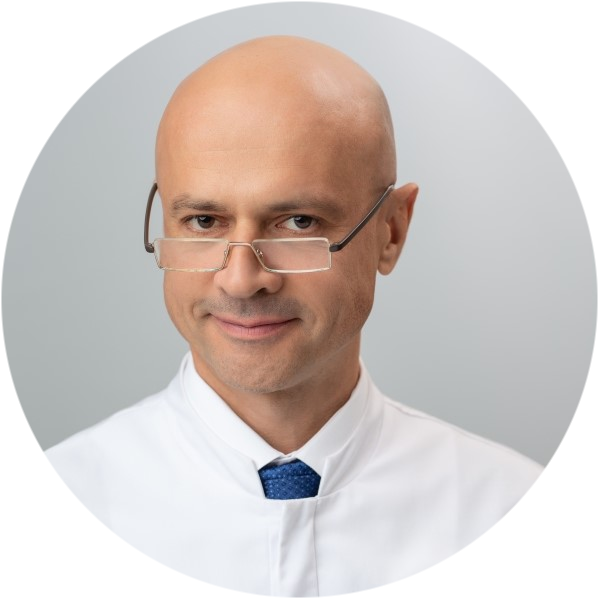
«Андропауза у мужчин может начаться и в 40, и в 55 лет. Некоторые жалуются на снижение выработки тестостерона и симптомы мужского климакса и в 30 лет. Но обычно изменения происходят в 50-летнем возрасте, и этот процесс растянут во времени.»
Станислав Нестерович,
уролог, врач антивозрастной медицины.
Момент наступления андропаузы определяется наследственностью, конституцией и другими факторами.
Основные симптомы андропаузы:
Проявления могут быть следующими:
-
апатия, желание днями лежать на диване;
-
нарушение сна;
-
проблемы с эрекцией, расстройство полового влечения;
-
слишком продолжительное или короткое семяизвержение;
-
ухудшается зрение;
-
уменьшается сила и мышечная масса;
-
вялость, общее недомогание, в мышцах появляется дискомфорт;
-
проблемы с памятью и концентрацией;
-
рост жировой прослойки, особенно в области живота;
-
конфликтность, раздражительность.
Дефицит тестостерона отражается на всех системах организма. Поэтому проявления климакса у мужчин могут быть самыми разными.
Виды и формы мужского климакса

Существуют две формы дефицита андрогенов:
-
Относительный — в пределах нормальных для своего возраста значений.
-
Абсолютный — концентрация тестостерона падает до 2,48 нг/мл и ниже у пациентов до 50 лет. После 50 пороговый показатель снижается до 1,93 нг/мл. Причиной могут стать патологии.
Выделяют ранний дефицит андрогенов (до 45 лет), обычный (45–60 лет) и поздний (у мужчин старше 60 лет).
По преобладающим симптомам выделяется 4 типа дефицита мужских гормонов:
-
с сердечно-сосудистыми нарушениями: высокое АД, учащенный пульс (риск инфаркта, инсульта);
-
с эндокринными сбоями (они приводят к сахарному диабету, атеросклерозу, ожирению);
-
с психоневрологическими нарушениями: ухудшением памяти, концентрации, эмоционального контроля (риск развития депрессии);
-
с мочеполовыми нарушениями: половой дисфункцией, отсутствием либидо, слабым или частым мочеиспусканием.
Причины наступления андропаузы

С годами организм вырабатывает меньше тестостерона, и это происходит по естественным причинам. Этот процесс ускоряется при определенном образе жизни и по ряду других причин:
-
Прием снотворных, глюкокортикоидов, нейролептиков, антидепрессантов, подавляющих синтез тестостерона.
-
Патологии яичек, в первую очередь воспалительные заболевания. Воспаление снижает способность клеток вырабатывать тестостерон.
-
Хронические болезни. Наличие гипертонии и сахарного диабета на 10% снижает уровень тестостерона, ускоряет приход климакса.
-
Стрессовые ситуации. Они стимулируют выработку кортизола, для чего необходимы те же вещества, из которых синтезируется тестостерон. Поэтому уровень андрогена падает.
Прогноз и профилактика
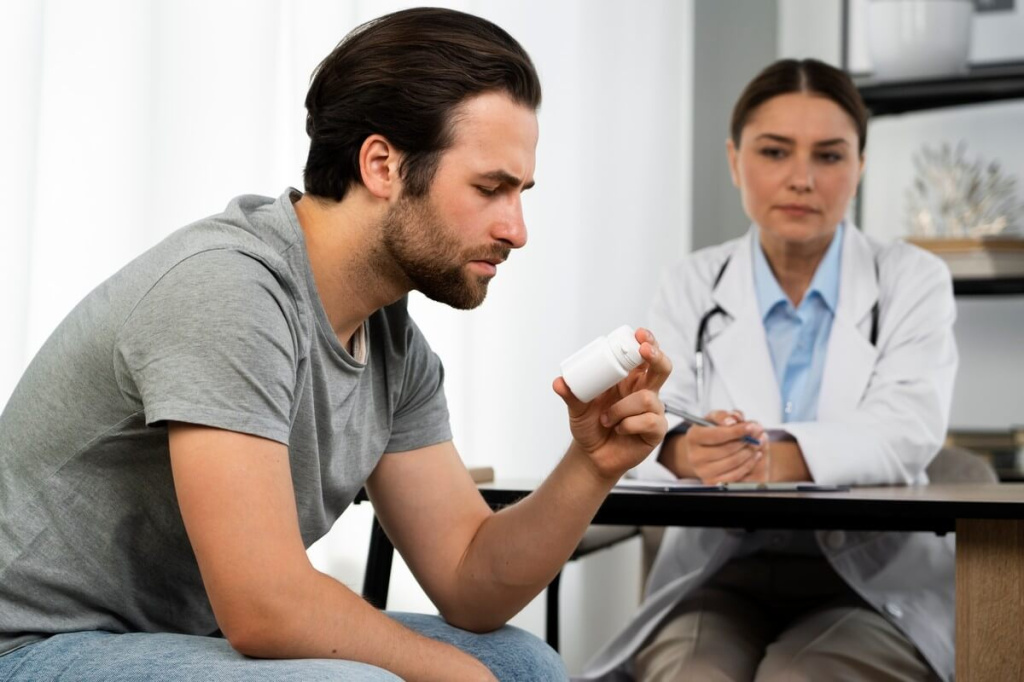
Дефицит андрогенов, наступающий с возрастом, — естественный и неостановимый процесс. Но если своевременно обратиться к специалисту, соблюдать его рекомендации и следить за здоровьем, симптомы перестанут причинять дискомфорт. У некоторых мужчин половая функция сохраняется и в 70-летнем возрасте.
Меры профилактики:
-
сбалансированное питание;
-
умеренные и регулярные физические нагрузки;
-
своевременное лечение заболеваний;
-
отказ от табакокурения и злоупотребления алкоголем;
-
снижение уровня стресса;
-
нормализация режима дня, полноценный отдых и сон.
Все эти меры помогают не только уменьшить проявления андропаузы, но предупредить развитие сердечно-сосудистых и других заболеваний. Кроме того, доказано, что выраженность симптомов снижается, если мужчина ведет регулярную половую жизнь.
Важно следить за состоянием своего здоровья и регулярно проходить обследования, чтобы своевременно выявить проблемы. Терапия поможет повысить качество жизни и сохранить сексуальную функцию.
Если пренебречь лечением, могут возникнуть осложнения: нарушения обмена веществ, остеопороз, депрессия и др.
Диагностика в Expert Clinics в Москве
Программа восстановления мужского здоровья начинается с тщательной диагностики и решения проблем, на которые жалуется пациент: снижение либидо и эректильной функции, депрессия или подавленное настроение.
Пациент проходит полное медицинское обследование. В первую очередь сдает анализы крови и мочи на гормоны. Это помогает понять, как расщепляются гормоны и оценит состояние гормональной функции. Исследуются ЛГ, ФСГ, пролактин, тестостерон, дигидротестостерон, прогестерон и эстрадиол, гормоны щитовидной железы и надпочечников, а также их метаболиты, зачастую еще более активные.
Какие еще процессы исследуются:
-
Детоксикация, первая и вторая фаза. Это помогает понять, где произошла «поломка», какие вещества и почему не выводятся наружу.
-
Состояние и метаболическая активность жировой ткани, очень важны для поддержания здоровья организма в целом, и в частности сердечно-сосудистой системы.
-
Объем мышечной массы. Мышечный каркас имеет огромное значение для любого мужчины. Занятия спортом стимулируют выработку мышцами фактора роста для регенерации и репарации тканей. Уменьшение объема мышечной массы, замещение ее жировой прослойкой — тревожный признак. В результате меняется обмен веществ, ускоряется процесс старения, хуже работает мозг, появляется апатия, ухудшаются память и зрение.
-
Функция кишечника — влияет на иммунитет, всасывание питательных веществ, выведение токсинов. Необходимо восстановить нарушенную микрофлору.
Диагностика в Expert Clinics включает и другие исследования: на наличие токсинов и тяжелых металлов (мешают регенерации и репарации тканей), на состояние стенок мембран (определяют способность клеток получать полезные вещества).
Схема лечения мужского климакса в Expert Clinics

На основе диагностики и с учетом возраста, особенностей организма пациента составляется индивидуальная программа лечения.
Варианты для лечения:
-
Для возрастных пациентов показана заместительная гормональная терапия.
-
Молодым мужчинам больше показана биостимуляция и биорепарация организма с целью усиления производства собственного тестостерона.
Мы назначаем пациентам малые дозы препаратов, чтобы продолжалась их выработка самими органами. Одновременно проводимая регенерирующая терапия позволяет уменьшить внешние поступления гормонов. Постепенно от гормональных препаратов можно будет вообще отказаться — организм научится саморегуляции и будет сам производить все необходимые вещества.
Подробнее о лечении с помощью биомедицины
Огромный плюс антивозрастной программы для мужчин в том, что она воздействует абсолютно на все ткани и органы, а также на очаги воспаления в них. Биорепаративная медицина приводит в порядок организм в целом, а не рассматривает каждую болезнь по отдельности.
Первым делом требуется «разблокировать» иммунную систему, то есть избавиться от очагов хронического воспаления, которые возникают на почве инфекций и паразитов, а также накопленных шлаков и токсинов. Особенно у возрастных мужчин нередко появляются так называемые «хронические воспалительные процессы без клинического проявления» — постоянная скрытая воспалительная реакция и аллергизация организма.
Скрытая аллергизация может быть реакцией на продукты питания или другие токсические компоненты, которые накопились в организме. Это тоже способствует старению, поэтому врачи Expert Clinics также выявляют продукты, вызывающие скрытую аллергизацию, и рекомендуют убрать их из рациона.
Уже на этапе детокса многие пациенты ощущают прилив сил, улучшение настроения и общего самочувствия, в теле появляется легкость, уходит ряд заболеваний, а по анализам можно отследить повышение уровня гормонов, увеличение всасываемости полезных веществ в кишечнике. Кроме того, приходят в порядок все функции ЖКТ, печень избавляется от лишнего жира, улучшается кровообращение по периферическим сосудам и поступление кислорода к головному мозгу, эндокринным железам и другим органам.
За счет балансировки всех систем организма эндокринные «фабрики» начинают вырабатывать больше гормонов, и у человека замедляются процессы старения.
Не менее важно, что при очищении кишечника снимается нагрузка с иммунной системы, и она получает возможность осуществлять полный контроль над злокачественными клетками и другими системами. Даже если в организме накопилось определенное количество онкоклеток, иммунная система бросит туда все свои силы и уничтожит их. Другими словами, метод биологического очищения является мощной противораковой защитой.
Индивидуальная программа лечения предполагает сочетание различных методик:
-
пептидная терапия;
-
программы детокса;
-
подбор индивидуальных капельниц;
-
эфферентные методы детокса крови и очистки плазмы -плазмаферез;
-
биостимуляторы;
-
уколы по акупунктурным точкам;
-
разные виды физиопроцедур;
Конечно, параллельно с этим обязательно даются рекомендации по корректировке питания.
Выравнивая определенные процессы синтеза гормонов, обмена веществ и фазы детокса, мы помогаем организму самостоятельно провести «генеральную уборку» изнутри и восстановить производство собственных гормонов.
Мы переняли более чем 30-летний опыт работы швейцарских и французских клиник в этом направлении. Приемы восстановительной медицины позволяют на 5–10 лет отодвинуть необходимость заместительной гормональной терапии, на длительный срок сохранить потенциал органов к репарации и производству гормонов, заметно продлить молодость, выносливость, физическую и сексуальную активность.
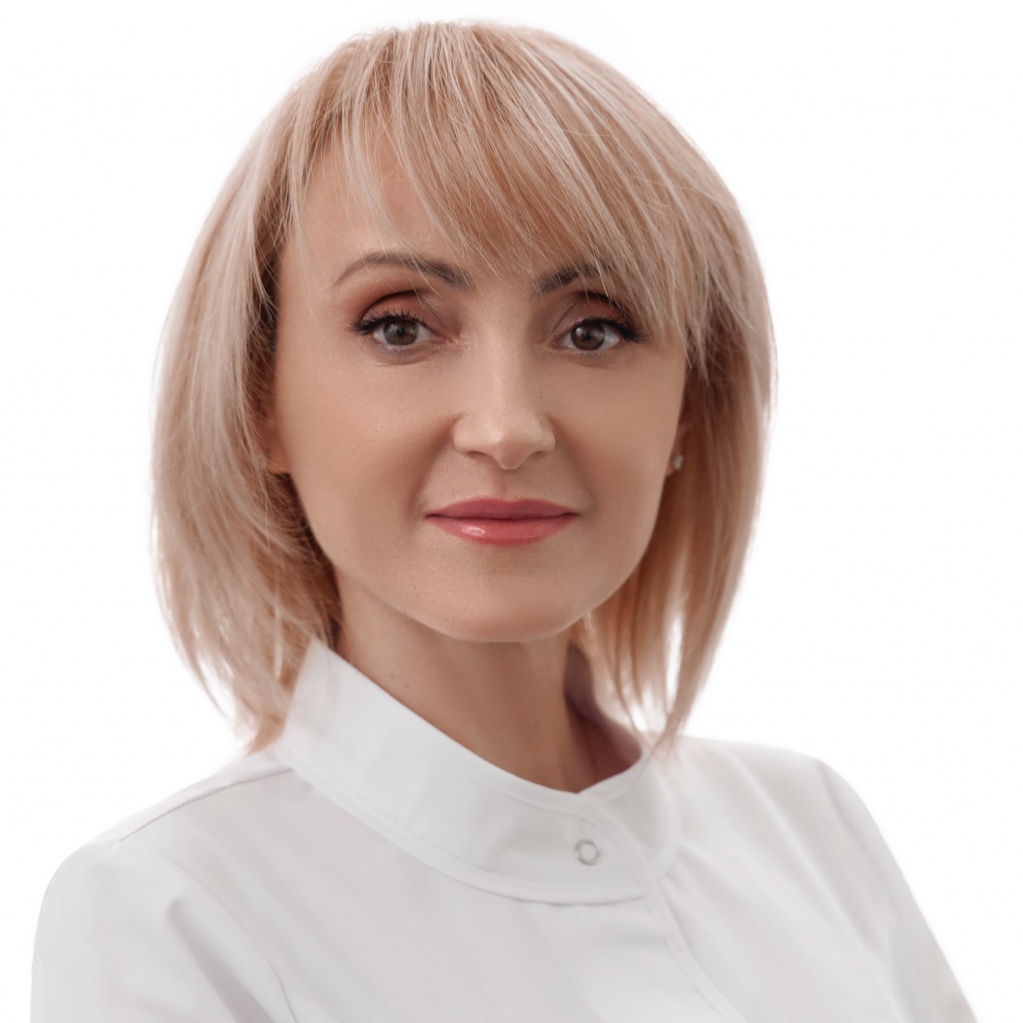
«Биорепаративная медицина, сторонницей которой я являюсь, подразумевает специально разработанные программы терапии, направленные на коррекцию давних нарушений в работе организма. Надо отметить, что невозможно убрать одной таблеткой за пару месяцев все те поломки, которые копились годами или десятилетиями, поэтому биометодики требуют от пациента терпения.
После проведения полной программы терапии пациенты начинают осознавать всю важность и незаменимость антивозрастной медицины. Для лечения применяется комплексный биорепаративный подход, запускающий мощную регенерацию всех тканей, систем и органов. Это создает большой резерв на будущее, становится гарантией высокого качества жизни и хорошего самочувствия на долгие годы.»
Дорина Донич
руководитель клиники Expert Clinics
Преимущества лечения мужского климакса в Expert Clinics
Преимущества нашей клиники, которые работают на вас:
-
Точная диагностика с применением современного оборудования.
-
Штат высококвалифицированных специалистов, в том числе врачей-эндокринологов с большим опытом ведения пациентов с мужским климаксом.
-
Уникальные, доказавшие свою эффективность методы антивозрастной и биорегенеративной медицины.
-
Комплексный подход к решению проблем пациентов, вызванных возрастными изменениями.
-
Для каждого пациента составляется индивидуальная программа лечения, дающая гарантированный результат.
-
Европейский уровень сервиса и продуманная ценовая политика.
Записаться на прием к врачу Expert Clinics можно онлайн или по телефону.
Часто задаваемые вопросы
Что такое мужской климакс и как он проявляется?
Это возрастное снижение уровня тестостерона, сопровождающееся изменениями в физическом, эмоциональном и сексуальном состоянии мужчины.
Какие симптомы говорят о мужском климаксе?
Снижение либидо, усталость, раздражительность, потливость, снижение мышечной массы, набор веса, проблемы с концентрацией, ухудшение сна.
В каком возрасте может начаться мужской климакс?
Обычно после 40–45 лет, но у некоторых мужчин первые симптомы могут появиться раньше — особенно при стрессе, малоподвижном образе жизни и гормональных сбоях.
Как врач определяет наличие андрогенного дефицита?
Проводится комплексная диагностика: анализы на уровень тестостерона и других гормонов, УЗИ предстательной железы, обследование сосудов и общее соматическое обследование.
Как лечится мужской климакс?
Врач подбирает индивидуальную программу: заместительная гормональная терапия (при показаниях), нутрицевтики, физическая нагрузка, коррекция питания и образа жизни.
Можно ли всем мужчинам проходить гормональную терапию?
Нет. ЗГТ противопоказана при онкологических заболеваниях, тромбозах, тяжёлых патологиях печени и некоторых сердечно-сосудистых нарушениях.
Что поможет справиться с симптомами без таблеток?
Физическая активность, нормализация сна, снижение стресса, полноценное питание, отказ от алкоголя и никотина способны значительно улучшить состояние.
Когда становится лучше после начала терапии?
Первые улучшения — через 2–3 недели: повышается энергия, улучшается настроение и сон. Стойкий эффект — в течение 1–3 месяцев при соблюдении рекомендаций врача.


 +7 (495) 154-21-44
  admin@expertclinics.ru