




Про услугу
Кондиломы — это вирусные доброкачественные новообразования, чаще всего вызываемые папилломавирусом человека (ВПЧ). Они могут возникать на коже и слизистых оболочках, особенно в аногенитальной области, доставляя дискомфорт, а также не исключены осложнения.
Один из эффективных и широко применяемых методов удаления — электрокоагуляция. Как она работает и кому подходит? Разберемся в данной статье.
Что это такое
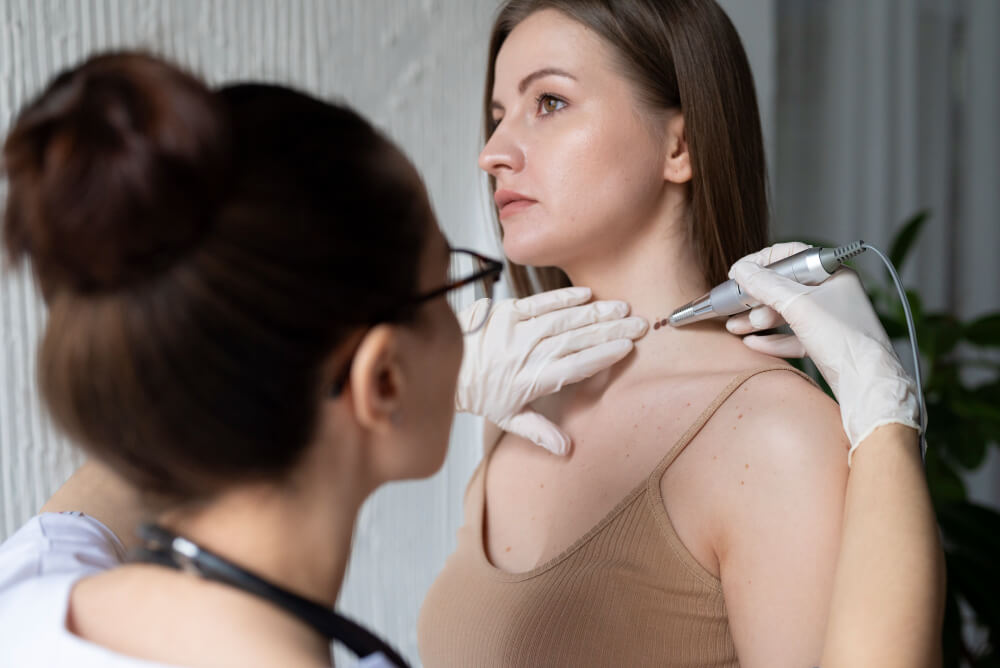
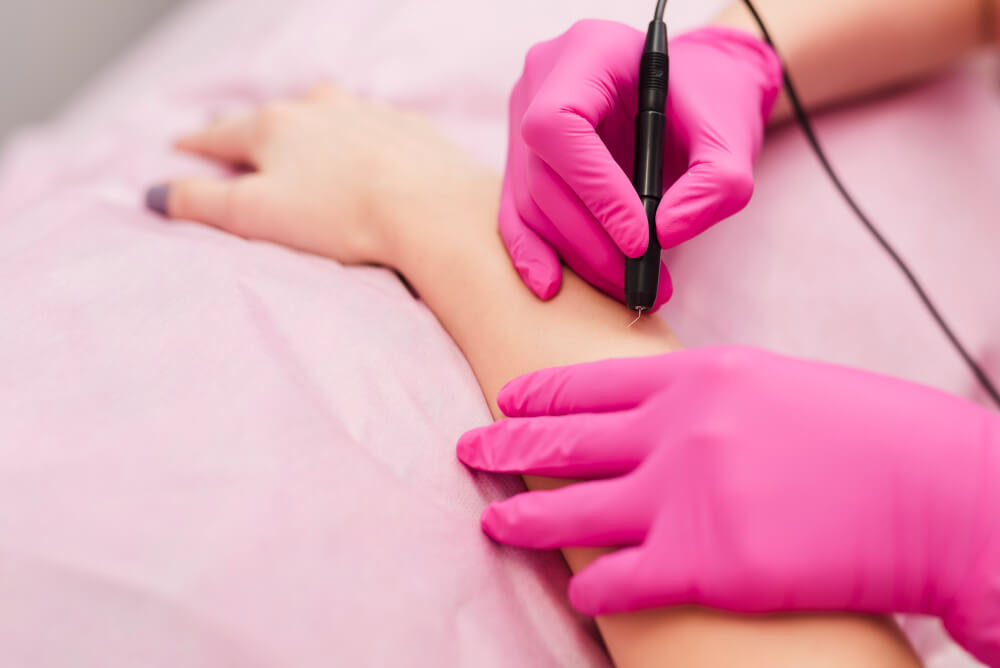
Электрокоагуляция — это медицинский метод удаления доброкачественных новообразований кожи и слизистых, в том числе, кондилом. Суть процедуры заключается в воздействии на ткань высокочастотным электрическим током с помощью специального электрода. Таким образом происходит локальное прижигание, то есть, коагуляцию белков клеток в месте контакта, что приводит к некрозу (разрушению) патологической ткани. При этом кровеносные сосуды сразу же запаиваются, что практически исключает кровотечение.
В отличие от других методов удаления (например, хирургического иссечения), электрокоагуляция обеспечивает более точечное воздействие на новообразование, позволяя сохранить здоровые ткани вокруг. Это особенно важно при локализации кондилом в деликатных местах — на половых органах и слизистых оболочках, где чрезмерное повреждение может привести к болезненности или рубцеванию.
Процедура проводится амбулаторно и довольно быстро (занимает от нескольких минут до получаса в зависимости от количества и размера образований) и обычно требует минимальной анестезии — достаточно местного обезболивания гелем или инъекцией. Важный плюс — возможность сразу же после удаления отправить ткани на гистологический анализ, чтобы исключить злокачественное перерождение.
Таким образом, электрокоагуляция сочетает в себе эффективность и безопасность, что делает её одним из самых востребованных способов лечения кондилом во всем мире.
Показания к проведению электрокоагуляции
Выделим основные из них:
- Остроконечные кондиломы — это характерные папиллярные разрастания, имеющие форму сосочков или «шипов», которые выступают над поверхностью кожи или слизистой. Они чаще всего локализуются в интимной зоне: на коже половых губ, головке и крайней плоти у мужчин, в области анального отверстия, влагалища и шейки матки у женщин. Эти кондиломы вызываются специфическими штаммами вируса папилломы человека (ВПЧ) и быстро размножаются в благоприятных условиях.
Электрокоагуляция зарекомендовала себя как один из наиболее эффективных методов удаления именно таких образований. Ток легко прижигает и иссекает кондилому, позволяя врачу быстро убрать её с минимальным дискомфортом для пациента. Этот метод особенно важен, когда кондиломы многочисленны или расположены в труднодоступных местах, где хирургическое вмешательство было бы травматичным и сложным.
- Плоские кондиломы отличаются от остроконечных тем, что они не выступают над поверхностью, а располагаются как небольшие пятна или неяркие уплотнения на слизистой. Такие образования часто встречаются на гладких поверхностях — внутри влагалища, на шейке матки, в анальной зоне. Визуально они менее заметны, но при этом могут быть опасны, так как склонны к длительному течению и даже к перерождению при некоторых штаммах ВПЧ.
Метод электрокоагуляции здесь особенно эффективен, поскольку позволяет одновременно прижигать и удалять плоские кондиломы, обеспечивая стерильность и минимизируя травматизацию соседних тканей. В ряде случаев процедуру сочетают с дополнительными методами лечения (например, лекарственной терапией или лазерной коагуляцией), что повышает общую эффективность и снижает риск рецидива.
- Кондиломы, вызванные ВПЧ
Появление кондилом напрямую связано с инфекцией вирусом папилломы человека — чаще всего с низко- и высокоонкогенными штаммами. Особенно важным является удаление кондилом, вызванных высокоонкогенными типами ВПЧ, так как они могут способствовать развитию предраковых и раковых состояний.
Удаление видимых кондилом с помощью электрокоагуляции — важный шаг в лечении, позволяющий не только избавиться от эстетической и физической проблемы, но и снизить вирусную нагрузку. Однако, поскольку вирус остается в организме, необходим комплексный подход, включающий обследование, контроль иммунитета и возможное назначение противовирусной терапии. Только так можно добиться стойкой ремиссии и предотвратить повторное появление кондилом.
Как подготовиться к процедуре
Подготовка к электрокоагуляции кондилом — важный этап, от которого зависит безопасность и эффективность процедуры. Перед тем как приступить к удалению новообразований, врач может назначить ряд обследований, чтобы убедиться в отсутствии противопоказаний.
Необходимые анализы и обследования
Перед процедурой обязательно проводят комплекс диагностических тестов. Один из ключевых — ПЦР-анализ или мазок на вирус папилломы человека (ВПЧ), который позволяет определить тип вируса и его активность. Это помогает понять степень риска и выбрать оптимальную тактику лечения.
Кроме того, важно исключить другие инфекции, передающиеся половым путем, такие как ВИЧ, сифилис, гепатиты и другие ИППП, поэтому назначают соответствующие тесты. Обязательным является также общий анализ крови и мочи для оценки общего состояния здоровья. При необходимости дополнительно выполняют электрокардиограмму (ЭКГ) — особенно у пациентов с хроническими заболеваниями сердца, а женщинам проводят кольпоскопию и онкоцитологию шейки матки, чтобы проверить состояние слизистой и исключить предраковые изменения.
Все эти обследования помогают подготовиться к процедуре максимально ответственно, снизить риск осложнений и подобрать безопасную тактику лечения.
Рекомендации перед процедурой
Чтобы сеанс прошел гладко, важно придерживаться простых, но важных правил. Во-первых, необходимо тщательно соблюдать интимную гигиену — это снижает риск занесения инфекции и улучшает заживление тканей после процедуры. При наличии избыточного волосяного покрова в зоне воздействия рекомендуется эпиляция, чтобы обеспечить более удобный доступ и предотвратить раздражение.
Женщинам обычно рекомендуют планировать процедуру после окончания менструации, когда слизистая половых органов наиболее спокойная и менее уязвимая. Также важно убедиться, что в области удаления нет острых воспалительных процессов или герпетических высыпаний — это противопоказание к электрокоагуляции, так как может ухудшить заживление и вызвать осложнения.
Соблюдение этих рекомендаций помогает сделать процедуру безопасной, а восстановительный период — более комфортным и быстрым.
Как проходит процедура
Чтобы понять, чего ожидать от электрокоагуляции, важно ознакомиться с этапами и особенностями процедуры. Врач тщательно подготавливает пациента, а сама манипуляция занимает относительно немного времени.
Во время процедуры пациент удобно располагается на специальном кресле, которое подходит для гинекологических, урологических или проктологических манипуляций, в зависимости от локализации кондилом. Врач обрабатывает зону антисептическим раствором для предотвращения инфекции.
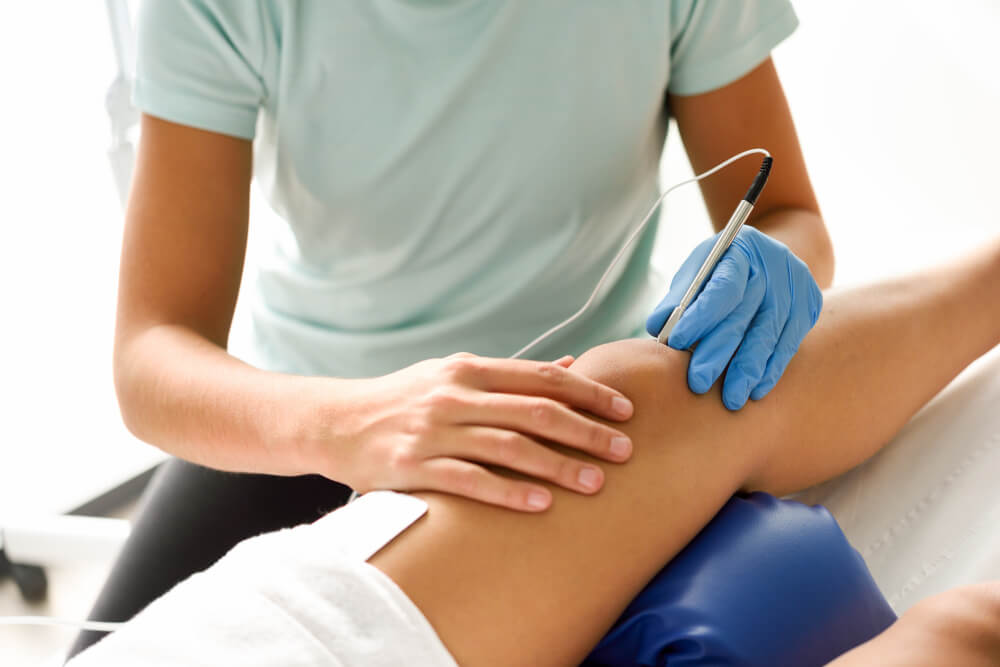
Далее наносится местный анестетик — обычно в виде геля, а также могут применяться инъекции, чтобы минимизировать любые неприятные ощущения. После этого врач начинает воздействовать на кондилому электрическим электродом, подавая высокочастотный ток. Ток прижигает основание нароста, разрушая патологическую ткань, при этом глубина и интенсивность воздействия тщательно контролируются, чтобы не повредить здоровые ткани.
Врач может удалять как отдельные единичные образования, так и множественные кондиломы, подбирая режим работы аппарата под конкретную ситуацию.
При правильном обезболивании пациент обычно испытывает только легкое покалывание, тепло или небольшое давление — все неприятные ощущения сведены к минимуму. Без анестезии процесс может быть достаточно болезненным и дискомфортным, поэтому обезболивание является обязательным условием для комфортного проведения процедуры.
Если пациент чувствует тревогу или страх, врач может уделить время для дополнительного объяснения этапов и успокоения, что тоже помогает снизить нервное напряжение.
Длительность электрокоагуляции варьируется в зависимости от количества и размеров кондилом. Обычно процедура занимает от 10 до 30 минут. Удаление одной-двух небольших кондилом может занять всего 5–15 минут, тогда как при множественных и крупных образованиях время увеличивается.
Несмотря на кажущуюся простоту, это достаточно точная и деликатная манипуляция, требующая щепетильности со стороны врача.
Реабилитационный период
Завершив процедуру, важно правильно ухаживать за обработанной зоной, чтобы ускорить заживление и снизить риск осложнений. Реабилитационный период требует дисциплины и соблюдения рекомендаций врача.
В первые дни после электрокоагуляции очень важно не мочить зону воздействия — это помогает сохранить корочку и не допустить попадания инфекции. Посещение бассейна, бани и даже душа рекомендуется временно исключить минимум на 3 дня. Корочка, образующаяся на месте удаления, нуждается в бережном уходе — ее нужно регулярно обрабатывать антисептическими средствами, например раствором марганцовки или перекисью водорода, в течение 7–10 дней.
Также советуют носить мягкое хлопковое белье, чтобы не раздражать кожу и слизистые. В течение недели после процедуры желательно воздержаться от половых контактов, чтобы не травмировать заживающую ткань и предотвратить повторное инфицирование.
Возможные побочные эффекты и их устранение
Легкая отечность, покраснение и умеренная болезненность в области удаления считаются нормой, эти явления проходят самостоятельно за несколько дней. Однако если появляются сильные боли, гнойные выделения или признаки воспаления, необходимо немедленно обратиться к врачу для коррекции лечения.
Чтобы избежать образования рубцов, важно не сдирать корочки и не травмировать зону удаления. Ровное и аккуратное заживление — залог хорошего косметического результата.
Корочка обычно отпадает через 7–14 дней, после чего кожа постепенно восстанавливается. Полное заживление слизистых оболочек занимает от 4 до 8 недель, а при удалении кондилом с шейки матки процесс восстановления может занять до одного месяца. В этот период стоит внимательно следить за самочувствием и не пренебрегать рекомендациями специалиста.
Таким образом, соблюдение правил подготовки, проведение процедуры под контролем опытного врача и правильный уход после электрокоагуляции обеспечивают высокую эффективность лечения и минимизируют риск осложнений.
Преимущества электрокоагуляции
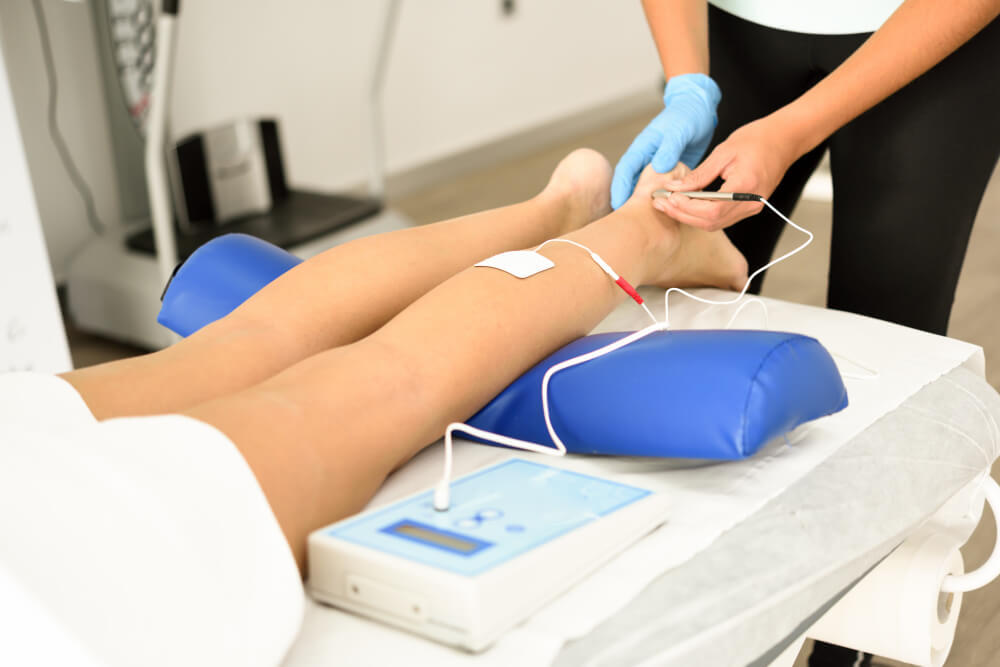
Электрокоагуляция — один из самых популярных и проверенных способов удаления кондилом и других новообразований. Этот метод имеет ряд важных преимуществ, которые делают его востребованным как у врачей, так и у пациентов. Рассмотрим ключевые плюсы электрокоагуляции по сравнению с другими способами лечения.
- Минимальное повреждение окружающих тканей
Одним из главных достоинств электрокоагуляции является высокая точность воздействия. Электрод воздействует исключительно на патологическую ткань, аккуратно разрушая новообразование. Благодаря этому здоровые участки кожи и слизистой остаются практически нетронутыми. Такая избирательность снижает травматичность процедуры и способствует более быстрому заживлению. В отличие от более грубых механических или химических методов, электрокоагуляция сохраняет естественную структуру окружающих тканей.
- Быстрая реабилитация
Еще один значимый плюс — короткий реабилитационный период. Процедура проводится амбулаторно, то есть, пациент может уйти домой в тот же день без необходимости госпитализации. Заживление после прижигания обычно занимает от 7 до 14 дней, что гораздо быстрее, чем при хирургическом удалении или некоторых других методах. Быстрое восстановление позволяет вернуться к обычному образу жизни практически без ограничений, что особенно важно для занятых женщин и мужчин.
- Низкий риск осложнений
Электрокоагуляция обеспечивает эффективное коагулирование кровеносных сосудов во время процедуры, что минимизирует кровотечение. Это снижает риск послеоперационных осложнений, таких как инфекционные воспаления и кровотечения. Благодаря контролируемому воздействию и обеззараживанию зоны обработки процедура считается безопасной даже для пациентов с предрасположенностью к осложнениям. При соблюдении всех рекомендаций врача осложнения случаются крайне редко.
- Отсутствие шрамов и рубцов
Правильное выполнение процедуры и бережный уход за раной после электрокоагуляции снижают вероятность образования шрамов и рубцов. Это особенно важно при удалении новообразований на видимых и чувствительных зонах, таких как шейка матки или наружные половые органы. Кроме того, удаленные ткани можно направить на гистологический анализ для точного исследования — это помогает подтвердить диагноз и исключить злокачественные процессы.
В целом, преимущества электрокоагуляции делают этот метод одним из самых эффективных, удобных и безопасных вариантов удаления кондилом.
Вопросы и ответы
Каждая медицинская процедура нуждается в пояснении. Ниже приведены ответы на самые распространённые вопросы, связанные с электрокоагуляцией, которые помогут лучше понять особенности и ограничения этого метода.
Можно ли проводить электрокоагуляцию при беременности?
Электрокоагуляцию во время беременности применяют с большой осторожностью. Обычно этот метод используют крайне редко и только при острой необходимости, так как воздействие электрическим током может представлять риск для плода. В таких случаях предпочтение отдают более щадящим альтернативам, например радиоволновому или лазерному удалению кондилом. Если же электрокоагуляция неизбежна, процедуру проводят во втором или третьем триместре под местной анестезией, тщательно оценивая все возможные риски и пользу.
Какие существуют противопоказания?
Несмотря на безопасность, электрокоагуляция имеет ряд противопоказаний, которые нельзя игнорировать:
- Острые инфекционные процессы в области удаления, включая герпетические высыпания.
- Заболевания крови, влияющие на свертываемость, тяжелая форма сахарного диабета, эпилепсия.
- Наличие кардиостимулятора, так как электрический ток может повлиять на работу устройства.
- Злокачественные новообразования, а также обострения хронических заболеваний.
- Беременность и лактация рассматриваются индивидуально, с учётом всех факторов и рисков.
Соблюдение этих ограничений помогает избежать осложнений и обеспечивает безопасность пациента.
Как долго длится процедура?
Длительность электрокоагуляции зависит от количества и размера новообразований. В среднем процедура занимает от 10 до 30 минут. Если кондиломы небольшие и единичные, достаточно 5–15 минут. В редких случаях при множественных и крупных образованиях время может увеличиваться. Однако даже в таких ситуациях процедура остаётся относительно быстрой и проводится амбулаторно.
Электрокоагуляция кондилом — это проверенный, безопасный, доступный метод удаления вирусных новообразований кожи и слизистых. Он сочетает высокий косметический эффект, минимальную травматизацию, короткий период реабилитации и низкий риск осложнений. Отлично подходит пациентам, которые хотят быстро и эффективно избавиться от кондилом — в коже, на половых органах или шейке матки.


 +7 (495) 154-21-44
  admin@expertclinics.ru