




Про услугу
Опасность заключается в том, что они часто имеют рецидивирующее течение и могут переходить в хроническую стадию, если вовремя не обратиться к специалисту и не начать курс лечения. Поэтому данная проблема требует усиленных мер профилактики и особого внимания к ней.
Виды хронических гинекологических заболеваний

Среди самых распространенных воспалительных заболеваний женских половых органов - заболевания придатков. Каждая пятая женщина, столкнувшаяся с этой патологией, страдает невынашиванием беременности или бесплодием.
У таких пациенток в 5-7 раз чаще возникает внематочная беременность, а также гнойные осложнения, требующие госпитализации в стационар. Опасным последствием заболевания придатков является спаечный процесс.
Причиной данной патологии являются инфекции, передающиеся половым путем, а также переохлаждения, аборты, хирургические вмешательства, установка или удаление внутриматочной спирали. При воспалении придатков чаще всего женщина госпитализируется в стационар. Там проводятся физиопроцедуры, антибактериальная и противовоспалительная терапия. При осложненном протекании может производиться хирургическое лечение.

К другим распространенным хроническим гинекологическим заболеваниям относят:
- Бартолинит – это воспаление бартолиновой железы, основной функцией которой является увлажнение половых органов. Воспаление выражается в образовании уплотнений.
- Кольпит – воспаление стенок влагалища.
- Вагинальный кандидоз (молочница).
- Эндометрит (воспаление внутренней оболочки матки).
- Сальпингит (воспаление фаллопиевых труб).
- Оофорит (воспаление яичников).
- Эндометриоз (разрастание эндометриоидной ткани за пределами матки).
- Эндометрит (воспалительный процесс во внутреннем слизистом слое матки – эндометрии).
- Аднексит (воспалительный процесс с одновременным вовлечением яичников и маточных труб).
Симптомы гинекологических заболеваний

Есть явные признаки женских болезней, которые нельзя игнорировать. Например, такие:
- боли неясной локализации в животе и внизу живота;
- зуд, жжение;
- гнойные, кровянисто-гнойные выделения;
- увеличение количества выделений;
- рези при мочеиспускании;
- нерегулярность менструального цикла;
- повышение температуры;
- озноб;
- слабость, мышечные боли, чувство сухости во рту;
- боль во время полового акта.
При появлении любого из этих симптомов рекомендуется как можно раньше обратиться к врачу.
Диагностика заболеваний в гинекологии
Все перечисленные болезни являются следствием занесенных инфекций, которые передаются половым путем.
Хронические гинекологические заболевания, как и многие другие, можно предотвратить. Для этого женщинам необходимо проходить ежегодный плановый осмотр у гинеколога.
Он должен включать в себя:
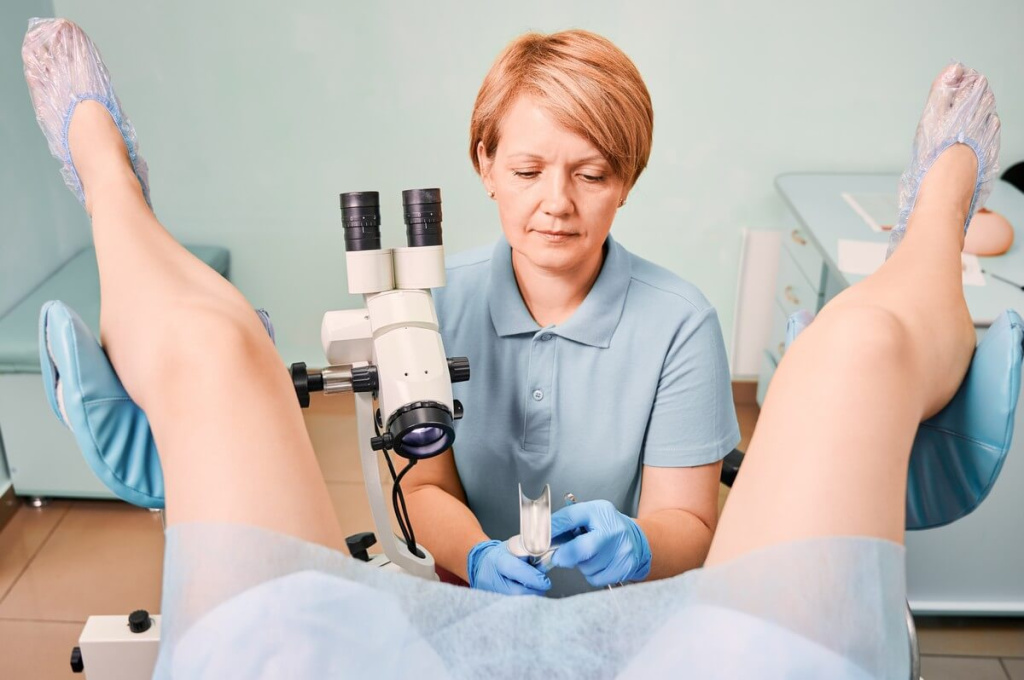
- вагинальный осмотр на кресле;
- взятие мазков на цитологию, флору;
- УЗ-диагностику органов малого таза.

Также определиться с постановкой диагноза помогут:
- анализы мочи и крови;
- иммунограмма (анализ крови для оценки работы иммунной системы);
- определение возбудителя методом ПЦР;
- функциональные пробы (измерение ректальной температуры, определение симптома зрачка, натяжения цервикальной слизи);
- лапароскопическое исследование;
- гистероскопия (осмотр полости матки изнутри);
- биопсия эндометрия.
Лечение хронических гинекологических заболеваний в Expert Clinics
Выбор клиники для решения гинекологических проблем – ответственная задача. В Expert Clinics в Москве вы найдете:
- Гинекологов-эндокринологов с прогрессивным подходом. Наши врачи владеют знаниями из области интегративной антивозрастной медицины и умеют выявлять первопричины заболеваний, возвращая женщине не только здоровье, но и ощущение полноты жизни.
- Современные и точные способы диагностики. В клинике используется только оборудование последнего поколения.
- Индивидуальный и комплексный подход к каждому пациенту.
- Персонально подобранные медикаменты вместо общих и часто неэффективных схем лечения, которые работают для конкретного пациента.
Для лечения гинекологических заболеваний также могут применяться физиотерапевтические методы (криодеструкция, лазерная и радиоволновая терапия).
Чтобы избежать многих женских заболеваний, следует не меньше раза в год посещать гинеколога, вести здоровый образ жизни, снизить уровень стресса, а также вести упорядоченную половую жизнь (без постоянной смены партнеров и с использованием контрацепции).


 +7 (495) 154-21-44
  admin@expertclinics.ru