




Про услугу
Состояние гормонального фона напрямую влияет на женское здоровье. Физические и нервные перегрузки, хронические заболевания и другие причины могут вызвать дисбаланс гормонов. В результате страдает не только репродуктивная система, но и весь организм.
Состояние гормонального фона напрямую влияет на женское здоровье. Физические и нервные перегрузки, хронические заболевания и другие причины могут вызвать дисбаланс гормонов. В результате страдает не только репродуктивная система, но и весь организм.
Гормоны — биологически активные вещества, влияющие на функционирование всех органов. У женщин они также контролируют работу репродуктивных органов, регулируют менструальный цикл и лактацию. От гормонального фона зависит успешное зачатие и вынашивание ребенка.
Гормональные нарушения организма могут привести к различным заболеваниям. Это состояние требует проведения комплексного обследования для выяснения причины изменений и дальнейшей коррекции.
Роль гормонов в организме женщины
Гормоны — очень важные вещества, которые стоят на страже нашего здоровья и отвечают за многие процессы:
-
координируют работу внутренних органов;
-
регулируют деятельность организма
-
отвечают за гомеостаз — постоянство внутренней среды (давление, температура, кислотно-щелочной баланс и др.).
Краткая навигация по женской эндокринной системе
-
Лютеинизирующий (ЛГ) и фолликулостимулирующий (ФСГ) гормоны. Вырабатываются гипофизом. Помогают яйцеклетке созреть и выйти в маточную трубу. Влияют на проявление вторичных половых признаков: структуру и плотность кожного покрова, формирование мышечной массы, рост волос.
-
Пролактин. Вырабатывается передней долей гипофиза. Запускает и поддерживает процесс лактации. Избыток пролактина может свидетельствовать о наличии заболеваний: поликистоза яичников, сахарного диабета, печеночной недостаточности.
-
Окситоцин. Очень важен для родов (помогает шейке матки сокращаться) и грудного вскармливания (расслабляет млечные потоки).
-
Эстрогены (в основном эстрадиол). Необходимы для овуляции, зачатия и нормального протекания беременности. Формируют «эстрогенную защиту»: сохраняет красоту кожи, волос, ногтей, влияет на выработку серотонина, защищает сосуды от атеросклероза и инфаркта, стимулирует рост и укрепление костной ткани.
-
Прогестерон. Готовит матку для имплантации оплодотворенной яйцеклетки. Необходим для вынашивания ребенка. При недостатке прогестерона может случиться выкидыш.
-
Андрогены. “Мужские” половые гормоны, у женщин также вырабатывается в небольших количествах. Отвечает за вторичные половые признаки. Если их слишком много, могут возникнуть проблемы с зачатием. При избытке у женщин начинают расти волосы по мужскому типу.
-
Гормоны щитовидной железы: ТТГ, Т3 и Т4. Стимулируют рост и развитие тканей, очень важны для репродуктивной, сердечно-сосудистой и центральной нервной систем. При их дефиците или избытке бывают проблемы с зачатием.
-
Антимюллеров гормон (АМГ). Маркер овариального резерва — репродуктивного потенциала женщины.

Что такое гормональный сбой?
Гормоны контролируют физиологические процессы, перемещаясь по кровотоку между тканями и органами. Эти вещества вырабатываются железами внутренней секреции. Регулируют процесс два отдела мозга — гипоталамус и гипофиз. Первый следит за уровнем гормонов и дает «команды» второму. Гипофиз вырабатывает вещества, влияющие на активность других эндокринных желез.
Совокупность всех гормонов называется гормональным фоном. Он меняется под действием внутренних и внешних факторов: обмена веществ, нашего состояния, возраста, нервных стрессов и т. д. У женщин гормональный фон «привязан» к менструальному циклу и изменяется в зависимости от фазы: созревание яйцеклетки, овуляция, менструация. Также он меняется при наступлении беременности и вступлении в менопаузу.
Нарушение выработки любого гормона называется гормональным сбоем. В обиходе под этим имеют в виду нарушения менструального цикла. На самом деле нарушения в работе репродуктивной системы, нерегулярный менструальный цикл — последствия гормонального дисбаланса.
Причины нарушения гормонального фона
Гормональные изменения могут быть естественными. Они происходят у подростков в период полового созревания, у беременных и кормящих женщин, а также при вступлении в менопаузу. В каждый из этих периодов женский организм перестраивается, происходят внутренние и внешние изменения.
В период половой зрелости у девочки начинаются менструации, появляются внешние признаки: оволосение кожи, формирование молочных желез. Когда женщина подходит к стадии климакса, у нее исчерпывается овариальный резерв (запас яйцеклеток), синтез половых гормонов сначала сокращается, затем прекращается. Меняется даже кожа — становится сухой, дряблой.
Нередко гормональный фон нарушается из-за стресса. Резко увеличивается уровень кортизола, вызывая сбой в разных системах организма.
Есть и другие факторы, вызывающие гормональный дисбаланс:
-
расстройства эндокринных желез;
-
снижение иммунитета;
-
воспалительные процессы;
-
инфекции, вирусные заболевания, ИППП;
-
прием антидепрессантов;
-
прекращение приема оральных контрацептивов;
-
заболевания ЖКТ;
-
сахарный диабет;
-
инсульт, энцефалит, черепно-мозговая травма;
-
высокие физические и эмоциональные нагрузки;
-
постоянное переутомление;
-
гормональная терапия;
-
онкологические заболевания;
-
проблемы с мочеполовой системой;
-
интоксикация;
-
генетическая предрасположенность.
Основные признаки гормонального сбоя
Пик концентрации гормонов в женском организме приходится на возраст 30–45 лет. По разным причинам может нарушиться синтез одного или нескольких гормонов, что вызывает неприятные ощущения и изменения в организме.
-
Хроническая усталость. Постоянная сонливость может быть вызвана избытком прогестерона. Истощение сил наблюдается при излишней выработке ТТГ.
-
Нарушение менструального цикла. В номе периодичность менструаций составляет от 21 до 35 дней. Она может колебаться — плюс-минус пару дней. Но если разбежка превышает неделю, цикл считается нерегулярным. У женщин старше 40 он может свидетельствовать о надвигающейся менопаузе. В других случаях это повод проверить состояние репродуктивной системы. Так может проявляться поликистоз яичников.
-
Расстройства сна. Сон становится неглубоким, беспокоят частые ночные пробуждения. Появляется бессонница.
-
Изменения молочных желез. При недостатке эстрогена они становятся менее плотными, а при избытке — набухшими. При эстрогендоминировании (относительном преобладании эстрогенов над прогестероном) в груди появляются плотные структуры, кисты.
-
Нарушения пищеварения, запор, диарея. Происходят как при недостатке, так и при избытке гормонов щитовидной железы. Эстрогендоминирование тоже способно вызвать такие проблемы.
-
Выпадение волос. Возможно, нарушена выработка гормонов щитовидной железы, пролактина, эстрадиола или прогестерона. Потерю волос может вызвать гормон дигидротестостерон.
-
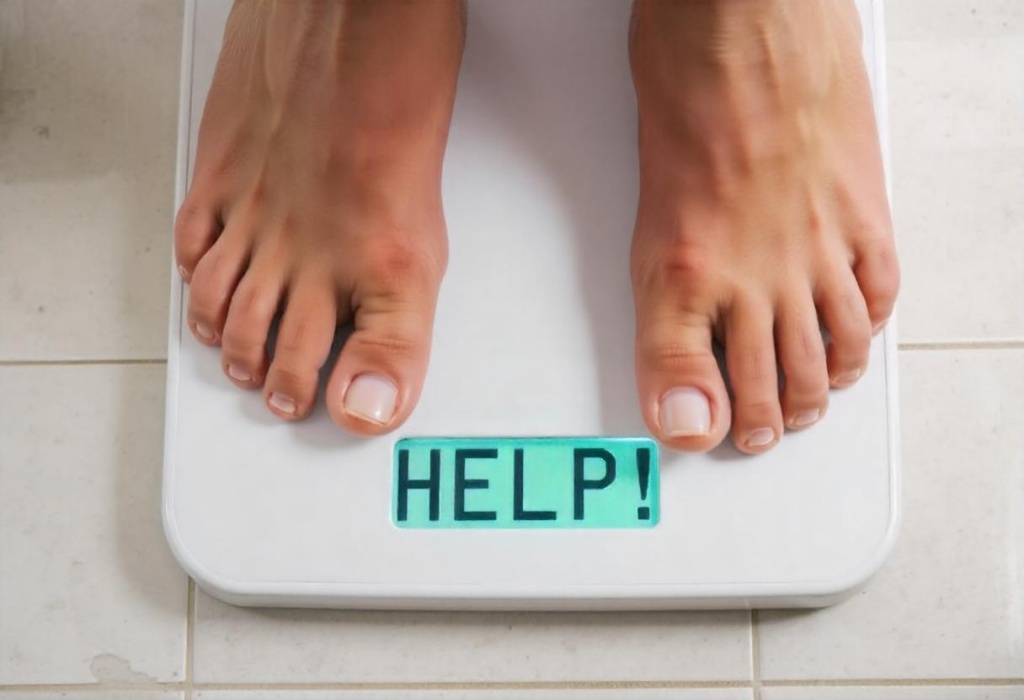
Увеличение веса. Когда падает уровень тестостерона и гормонов щитовидной железы, а инсулина и кортизола, наоборот, в избытке, обмен веществ замедляется. Появляется тяга к мучному и сладкому. Начинает накапливаться жировая масса, особенно в области живота. Также человек может терять вес из-за гормональных сбоев.
-
Головные боли, мигрени. Они могут возникать и во время месячных из-за нарушения баланса эстрогенов и прогестерона.
-
Сухость во влагалище, дискомфорт и боль во время полового акта. К этому приводит дефицит эстрогенов.
-
Гнойные и угревые высыпаний на лице, спине, груди. Причина — закупорка пор из-за активной секреции сальных желез (избыток андрогенов).
-
Нарушения памяти и концентрации, рассеянность говорят о гормональном дисбалансе, в частности, проблемах со щитовидной железой.
-
Невозможность забеременеть. Проблемы с зачатием часто возникают при дефиците прогестерона, который считается «гормоном материнства».
При обнаружении этих симптомов имеет смысл записаться на консультацию к эндокринологу или гинекологу. Важно определить, каких гормонов не хватает или, наоборот, слишком много. Например, при высокой концентрации эстрогена у женщин снижается либидо, неконтролируемо растет масса тела или появляется хроническая усталость.

Гормональный сбой у женщин в пери и менопаузу
С приближением менопаузы у женщин уже не так активно работают железы внутренней секреции. Появляются следующие симптомы:
-
приливы;
-
раздражительность или состояние апатии;
-
проблемы с концентрацией, памятью;
-
головные боли;
-
высокое артериальное давление;
-
повышенный аппетит;
-
бессонница;
-
кожа становится менее упругой и эластичной.
Беременность и гормоны
Во время беременности в женском организме происходят «глобальные» перемены. Начинают активно вырабатываться следующие гормоны:
-
ХГЧ. Его появление в крови сигнализирует о наступлении беременности. Каждые два дня концентрация ХГЧ удваивается и 8–10-й неделе достигает максимума. Во второй половине срока она остается на одном уровне. Отслеживая динамику ХГЧ, определяют, нормально ли протекает беременность. Под действием гормона желтое тело в яичниках не рассасывается и вырабатывает прогестерон, а наступление следующей менструации блокируется.
-
Эстроген. Его выделяется в 30 раз больше обычного. Отвечает за нормальное течение беременности и развитие плода, вызывает увеличение молочных желез.
-
Прогестерон в норме вырабатывается на протяжении всего срока вынашивания ребенка. Необходим для защиты плода от отторжения организмом матери, расслабляет мускулатуру матки.
При гормональных сбоях в организме будущей мамы наблюдается патология созревания фолликулов, изменяется толщина эндометрия матки, может появится миома. Во время беременности возможен дефицит йода и железа, необходимых для нормальной работы щитовидной железы.
Последствия нарушений гормональной системы
При отсутствии лечения могут возникнуть серьезные осложнения:
-
бесплодие;
-
доброкачественные и злокачественные новообразования, например полипы или миома матки;
-
заболевания сердечно-сосудистой системы;
-
нарушения пищеварения;
-
сахарный диабет;
-
астма;
-
атеросклероз, инсульт, инфаркт;
-
избыточная масса тела;
-
депрессия и другие расстройства психики.

Диагностика гормонального сбоя
Лабораторная диагностика позволяет установить причины гормонального дисбаланса. Перед тем как сдать анализы, рекомендуется не употреблять алкоголь, не курить и не подвергать организм серьезным физическим нагрузкам. За 8–12 часов нельзя употреблять пищу и сладкие напитки.
Необходимы следующие анализы:
-
крови (биохимический, общий);
-
на гормоны: ЛГ, ФСГ, пролактин, тестостерон, эстрадиол (на 3–5 день цикла), прогестерон (на 22–23 день), гормоны щитовидной железы;
-
общий анализ мочи;
-
УЗИ щитовидной железы, молочных желез, органов малого таза;
-
кольпоскопия — осмотр шейки матки и влагалища при помощи специального микроскопа.
Лечение гормонального сбоя в Москве в Expert Clinics
После установления причин гормонального сбоя назначается терапия. Лечением занимается врач гинеколог-эндокринолог.
Комплексный подход к лечению предполагает назначение витаминно-минеральных комплексов, биодобавок, заместительной гормональной терапии только по показаниям. Для стабилизации гормонального фона также применяют лечебную физкультуру и физиотерапию. При необходимости лечащий врач направляет пациента к узким специалистам.
В клинике Expert Clinics применяются принципы антивозрастной (anti-age) медицины, и это наше главное преимущество. На основе многолетних научных исследований мы собрали полную и уникальную информацию о причинах раннего старения и гормональных сбоях в молодом возрасте.
Наши специалисты применяют индивидуальный подход к каждой пациентке. После подробной консультации и диагностики они определяют глубинные причины «поломки» организма и устраняют их. Мы помогаем пациентам привести в порядок их гормональный фон, замедлить процесс старения, восстановить драгоценные ресурсы организма и повысить качество жизни.
Профилактика
Для профилактики гормональных сбоев важно вести здоровый образ жизни:
-
сон — не менее 8 часов в день;
-
прогулки на свежем воздухе;
-
физическая активность: тренировки по 1 часу 3 раза в неделю;
-
сбалансированный рацион, богатый витаминами, минералами, белками, жирами и углеводами;
-
употребление достаточного количества жидкости — в день по 40 мл на каждый килограмм массы тела (чистая вода).
-
избавление от вредных привычек: курения, злоупотребления кофе и алкоголем.
Все это не отменяет регулярных профилактических осмотров. А при обнаружении тревожных признаков следует немедленно обратиться к специалисту.
Запишитесь на прием к врачу Expert Clinics, позвонив по телефону или оставив контакты на сайте.


 +7 (495) 154-21-44
  admin@expertclinics.ru