




Про услугу
Метроррагией называют любой тип маточного кровотечения, не связанный с менструацией, независимо от ее интенсивности. Это очень распространенная гинекологическая проблема у женщин репродуктивного возраста.
Что такое метроррагия?

Если вы сталкиваетесь с обильными вагинальными кровотечениями между менструациями, весьма вероятно, что вы страдаете так называемой метроррагией. Состояние, при котором женщина переживает нерегулярные и обильные кровопотери.
Это может произойти между менструациями, во время месячных или даже после менопаузы и может быть вызвано различными факторами. Кровотечение может длиться всего несколько часов или до 7 дней.
В некоторых случаях оно может быть связано с полипами или другими органическими проблемами, но это бывает редко. Обычно метроррагия возникает из-за гормонального дисбаланса. У женщин среднего и старшего возраста метроррагия может быть признаком менопаузы и перименопаузы.
Ее часто путают с нарушением менструального цикла. Но поскольку метроррагия может быть симптомом серьезного заболевания, к ней всегда следует относиться с особым вниманием. Особенно, если она сопровождается сильными болями. Подобные кровотечения также могут вызвать анемию.
Причины
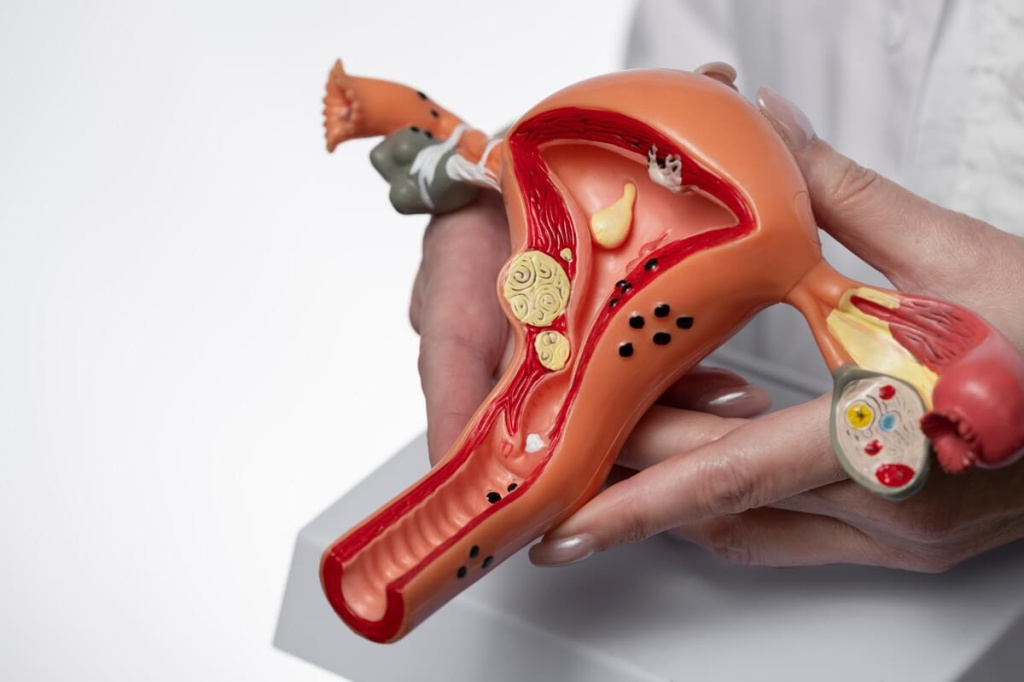
Причины метроррагии или кровотечения между менструациями могут быть разными. Они, в том числе, зависят от возраста и состояния здоровья. Среди наиболее распространенных:
До полового созревания
Метроррагия возможна даже до достижения половой зрелости. Средний возраст начала месячных - 12,5 лет. Если вагинальное кровотечение замечено раньше, то есть повод для беспокойства.
Кровотечение, например, может быть вызвано наличием инородного тела в половых путях. В некоторых случаях это может быть язва на вульве.
Более тревожной причиной является возможность наличия опухоли во влагалище. Она может быть источником аномального кровотечения.
Во время или после полового созревания:
-
Фолликулярная киста.
Фолликул представляет собой заполненный жидкостью карман, в котором формируется яйцеклетка. Когда она растет ненормально и образует своего рода комок, это называется фолликулярной кистой. Эта аномалия нарушает менструальный цикл, потому что выход яйцеклетки сам по себе скомпрометирован. Эта “неисправность” вызывает:
-
метроррагию;
-
частые позывы к мочеиспусканию;
-
сильные тазовые боли.
У некоторых женщин фолликулярные кисты также вызывают нарушения пищеварения путем сдавления.
-
Гиперплазия эндометрия.
Она представляет собой аномальную пролиферацию клеток, присутствующих в матке. Отметим, что все виды рака начинаются с хаотичного размножения клеток. Фактически, гиперплазия эндометрия является предупреждающим сигналом о возможном раке матки. Если не лечить ее своевременно, данная патология может “перерасти” в онкологию. Помимо кровотечения вне менструации, гиперплазия также проявляется болезненными менструациями .
-
Эндометриоз.
Эндометриоз является хроническим заболеванием, которым страдает примерно одна из 10 женщин. Характеризуется образованием ткани эндометрия вне матки за счет мигрирующих клеток. Последние перемещаются в другие органы и создают ткани, подобные эндометрию. Поскольку они находятся не на своем месте, они создают повреждения, которые приводят к вагинальному кровотечению. Помимо этого, эндометриоз связан с болью, в том числе, тазовой, брюшной, мочевой
и даже поясничной. Болезненные ощущения внезапны и иногда очень интенсивны.
-
У беременных женщин.
Многие женщины испытывают так называемые прорывные кровотечения во время беременности. В таком случае важно исключить внематочную беременность.
Также возможно кровотечение из доброкачественной опухоли плаценты. В худшем случае у беременной кровотечение возникает в результате выкидыша.
-
После менопаузы.
Менопауза — это время, когда половые гормоны находятся в “свободном падении” . Это связано с аменореей и все более длинным менструальным циклом. В этот период особенно беспокоят метроррагии из-за связанных с ними заболеваний.
-
Рак матки.
Одной из самых пугающих причин прорывных кровотечений является рак матки. Это образование опухоли на шейке матки. Помимо того, что это, очевидно, очень серьезное заболевание, оно, к сожалению, довольно часто встречается у женщин. Согласно исследованиям, ежегодно регистрируется 500 000 новых случаев. Однако при раннем обнаружении рак матки легко вылечить. Следовательно, все зависит от своевременной диагностики.
-
Миома матки.
Это заболевание, также называемое «фибромиомой», часто встречается у женщин старше 30 лет. Хотя точные причины неизвестны, его прояления вполне предсказуемы:
-
ощущение холода;
-
запор;
-
или боль во время полового акта.
У многих больных миома вызывает, помимо метроррагии, меноррагию - очень сильное кровотечение во время менструации.
-
Экстренная контрацепция. Этот тип контрацепции, например, специальные таблетки, может вызвать кровотечение.
-
Гормональные контрацептивы. Этот тип противозачаточных средств является наиболее частой причиной вагинальных кровотечений между менструациями. К ним относятся:
-
Внутриматочная спираль.
-
Противозачаточная таблетка.
-
Противозачаточный пластырь.
-
Вагинальное кольцо.
-
Противозачаточный имплантат.
-
-
Инфекции, передающиеся половым путем. Некоторые заболевания, передающиеся половым путем, могут вызывать вагинальное кровотечение.
-
Цервицит. Это воспаление шейки матки, которое обычно проявляется, среди прочих симптомов, кровотечением.
-
Гипотиреоз. Низкая производительность щитовидной железы или осложнения, связанные с этим, могут вызвать маточное кровотечение.
-
Повреждения входа во влагалище: они также могут проявляться в виде кровотечения.
Виды метроррагии
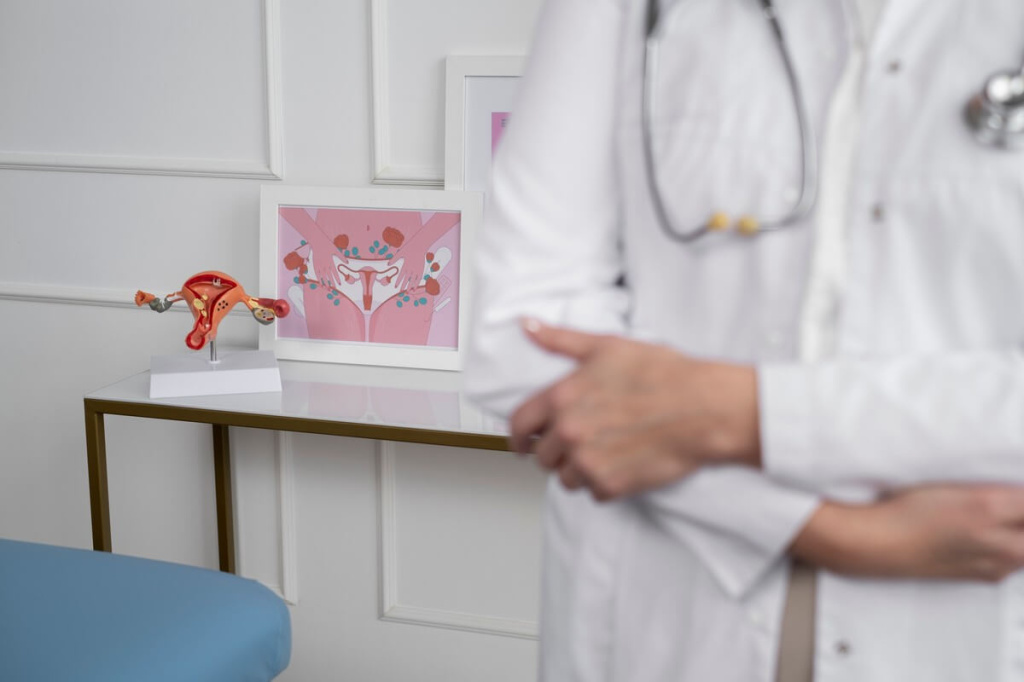
Метроррагия подразделяется на два типа в зависимости от ее происхождения.
-
Кровотечения органического происхождения. К ним относятся те, которые связаны с беременностью, и те, которые не связаны. Во втором случае наиболее частыми причинами являются наличие полипов, миом или кист. Кроме того, иногда они могут быть признаком проблем с щитовидной железой или серьезных осложнений со стороны печени или почек.
-
Кровотечения непатологического происхождения. Это так называемое дисфункциональное маточное кровотечение, представляющее собой аномальное кровотечение вне беременности или без какого-либо заболевания, возникающее из-за дисбаланса гормонального фона, повреждающего эндометрий.
Симптомы
Симптомы аномального маточного кровотечения из-за овуляторной дисфункции могут включать нерегулярность менструального цикла, при котором менструации могут быть короче или длиннее обычных 7-дневных месячных, а также тяжелее и чаще, чем обычно.
В некоторых случаях меноррагия (обильные менструальные кровотечения) и метроррагия (частые, но легкие менструальные кровотечения) также являются признаками заболевания.
Вот признаки, на которые стоит обратить внимание:
-
Симптомы анемии, быстрая утомляемость, одышка.
-
Необходимо использовать двойную гигиеническую защиту для контроля менструальных выделений.
-
Кровотечения длятся более недели.
-
При выходе больших сгустков.
При отсутствии лечения метроррагия может привести к серьезным осложнениям, таким как кровотечение, анемия и даже рак эндометрия.
Важно обратиться за медицинской помощью, если вы испытываете какие-либо из этих симптомов, так как ранняя диагностика и лечение необходимы для предотвращения серьезных последствий.
Диагностика метроррагии
Если кровотечение происходит более одного раза или если оно сопровождается болью или другими симптомами , важно посетить своего гинеколога для дальнейшего обследования.
Врач может запросить такие анализы, как:
-
Гинекологический осмотр или гистероскопия для осмотра внутренней части матки и шейки матки.
-
УЗИ или МРТ.
-
Лабораторные исследования для определения основной причины кровотечения.
-
Биопсия эндометрия.
Гинеколог обычно начинает с анализа крови, чтобы проверить уровень гормонов и исключить гормональные причины.
Затем доктор может порекомендовать УЗИ для выявления органических причин, таких как миомы или полипы. В зависимости от результатов анализов может потребоваться дополнительное лечение. Уровень гормонов также можно проверить во время диагностики и лечения метроррагии.
Если уровень гормонов не соответствует норме, ваш врач может назначить лекарства или предложить изменить образ жизни, которые могут помочь отрегулировать их и уменьшить количество эпизодов кровотечения.
Способы лечения

В некоторых случаях метроррагия может указывать на медицинскую проблему, требующую лечения.
Общие методы терапии метроррагии включают:
-
использование оральных контрацептивов для регуляции менструального цикла;
-
гормональная терапия для повышения уровня эстрогена и прогестерона;
-
нестероидные препараты, такие как ибупрофен, для уменьшения воспаления матки;
-
транексамовая кислота для уменьшения менструальной кровопотери во время кровотечения.
При наличии полипа, кисты, выкидыша, внематочной беременности или анемии может потребоваться дополнительное лечение.
В любом случае ваш гинеколог порекомендует вам следить за своими менструальными циклами, а также за частотой и продолжительностью эпизодов кровотечения, поскольку это может помочь врачам диагностировать любые основные проблемы и обеспечить наилучшее лечение.
Менопауза также может быть фактором метроррагии из-за снижения уровня эстрогена; однако лечение после менопаузы обычно представляет собой гормональную терапию, поскольку лекарства не так эффективны.
Хирургическое вмешательство также может быть необходимо, если имеется опухоль.
Распространенные вопросы о метроррагии
Насколько серьезна метроррагия?
Метроррагия является достаточно тяжелым состоянием, так как характеризуется наличием аномальных маточных кровотечений вне менструального периода. Это может быть симптомом ряда заболеваний, таких как рак матки, эндометриоз и миома матки; в ряде случаев сопровождается болью и другими симптомами. Важно обратиться к врачу, чтобы провести соответствующие исследования и исключить любую патологию, которая может быть причиной кровотечения. Таким же образом следует обратиться за помощью, если кровотечение чрезмерно обильное или при интенсивных болях во время менструации. В любом случае рекомендуется сохранять бдительность при любых изменениях количества или регулярности менструальных выделений, а также при любых других ранее неизвестных симптомах.
Что делать при метроррагии?
Если кровотечение сильное и не может быть остановлено гигиеническими прокладками, вам следует обратиться в “скорую помощь”. Врач оценит причину кровотечения и решит, нужны ли какие-либо дополнительные исследования, такие как УЗИ, гормональный анализ и т. д., а также назначит наиболее подходящее лечение для остановки кровотечения. При необходимости пациентку госпитализируют.
Как долго может длиться метроррагия?
Продолжительность варьируется в зависимости от случая, она может составлять от нескольких дней до нескольких недель. Если метроррагия легкая, она обычно длится недолго. Кроме того, лечение, назначенное врачом, может помочь облегчить симптомы и сократить продолжительность метроррагии.
Что вызывает метроррагию?
Распространенными гормональными нарушениями, вызывающими метроррагию, являются внематочная беременность, снижение уровня эстрогенов после менопаузы и синдром поликистозных яичников. Другие распространенные медицинские проблемы, которые могут вызвать метроррагию, включают инфекции матки, эндометриоз, миому матки и травмы матки или других близлежащих тканей. Метроррагия также может быть вызвана такими лекарствами, как оральные контрацептивы или заместительная гормональная терапия. Неправильный прием лекарств также может вызвать аномальные кровянистые выделения и выделения из влагалища.


 +7 (495) 154-21-44
  admin@expertclinics.ru