




Про услугу
Осведомленность большинства женщин о такой патологии, как опсоменорея, крайне низкая. При этом заболевание может появиться практически у каждой.
При данном состоянии вероятность зачать ребенка снижается примерно на 65%. Поэтому своевременная диагностика и лечение опсоменореи является важной составляющей репродуктивного здоровья каждой девушки.
Что такое опсоменорея

Опсоменорея – это состояние, при котором менструальные выделения становятся менее обильными и продолжаются менее трех дней. При этом продолжительность цикла увеличивается до 5-6 недель (свыше 35 дней) и даже до трех месяцев. А количество выделяемой крови чаще всего не изменяется, либо может быть весьма скудным.
Причины

По характеру возникновения опсоменорея бывает врожденной и приобретенной. Врожденную форму ученые связывают со следующими факторами:
-
Задержка полового развития.
Это отсутствие появления вторичных половых признаков в пубертатном периоде (13-15 лет). Половое развитие может тормозиться по нескольким причинам: патология половых органов, наследственные факторы, поражение эндокринных желез, скудное питание, плохие условия жизни.
-
Нарушение формирования половых органов.
Данное нарушение наблюдается в период эмбриогенеза. Среди причин - отягощенная наследственность, неблагоприятная экологическая обстановка, стресс, инфекционные заболевания, интоксикации, ранние и поздние гестозы.
-
Астенический синдром.
Это постепенно развивающееся психологическое расстройство, проявляющееся в виде слабости, раздражительности, вегетативных нарушений, эмоциональной неустойчивости.
Приобретенная форма обусловлена другими причинами:
-
интоксикация;
-
гипотериоз;
-
оперативные вмешательства в матку или яичники;
-
стресс;
-
сильное переутомление;
-
сильные физические нагрузки;
-
инфекции мочеполовой системы;
-
аутоиммунные заболевания;
-
аборт;
-
опухоли головного мозга;
-
синдром Шихана.
Состояние может быть временным, например, при становлении менструального цикла. Постоянная опсоменорея наблюдается при серьезных патологиях, таких как поликистоз яичников, бесплодие и задержка развития.
Симптомы

Главным симптомом опсоменореи являются редкие месячные. Они могут появляться один раз в 5-6 недель, перерыв может длиться даже до трех месяцев. Как правило, месячные длятся 3-4 дня.
Цикл при этом также имеет две фазы, но их продолжительность сильно меняется. Это приводит к тому, что фолликул не успевает созревать, а процесс овуляции изменяется. Соответственно, девушка с такой клинической картиной будет испытывать трудности с зачатием.
Практически в каждом клиническом случае присутствуют общие симптомы:
-
выраженная слабость;
-
повышенная утомляемость;
-
раздражительность;
-
резкие перепады настроения;
-
апатия;
-
нестабильность эмоционального фона.
Зачастую опсоменорея сопровождается болями во время менструации. Они локализуются в нижней части живота, но могут отдавать в спину, прямую кишку или в паховую область. Кроме того, в результате нарушения процесса созревания фолликула могут отмечаться болезненные ощущения в середине цикла.
Если опсоменорея не является физиологической, она может прогрессировать и вызывать тем самым аменорею – состояние, при котором менструации полностью отсутствуют. В этом случае шансы на зачатие практически равны нулю, так как созревание яйцеклетки не происходит. В результате гормональных изменений может наблюдаться рост массы тела.
При вторичной опсоменорее отмечаются:
-
зуд;
-
боль;
-
выделения различного характера;
-
высыпания на коже и слизистых.
Во время обследования могут определяться признаки воспалительного процесса, а также аномалии развития половых органов и симптомы эндокринных отклонений.
Диагностика
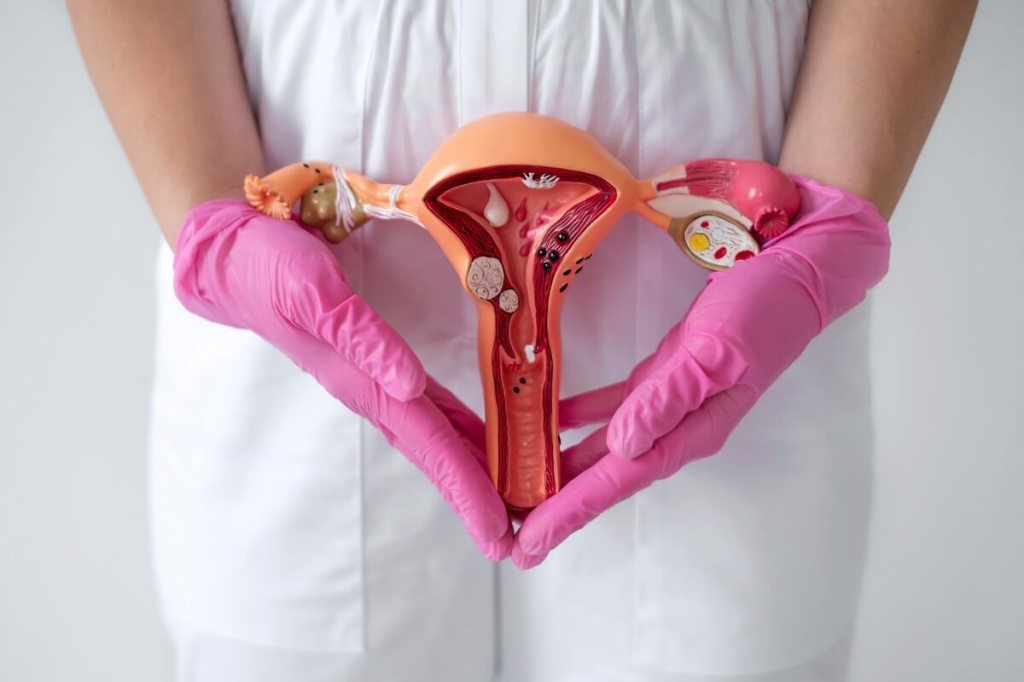
Первым этапом диагностики является консультация врача-гинеколога. Специалист соберет подробный анамнез пациентки, включая информацию о ее генетике, ранних заболеваниях, первых месячных, характере менструального цикла, образе жизни, уровне стресса и т.д.
Для подтверждения диагноза или уточнения данных, пациентке могут быть назначены:
-
цитологический мазок (помогает определить наличие ЗППП);
-
УЗИ органов малого таза;
-
анализ крови (общий, биохимический, половые гормоны, липидный обмен);
-
фолликулометрия. Проводится для определения настоящей овуляции;
-
обследование на специфические инфекции (ВИЧ, гепатит, туберкулез);
-
МРТ, КТ. Могут потребоваться для обследование надпочечников, гипофиза, гипоталамуса.
Если этого оказалось недостаточно, то следующим этапом является назначение процедуры кольпоцитологии. Это современное диагностическое исследование, которое помогает получить подробную информацию о структуре клеток влагалища и имеющихся в них изменениях.
В случаях, когда опсоменорея является врожденной патологией, к диагностике привлекаются и другие специалисты – эндокринологи и генетики.
Способы лечения

К лечению можно приступать строго после установления первопричины заболевания. Методы терапии зависят от причин появления, характера патологии и возраста женщины.
Если опсоменорея носит вторичный характер, то в большинстве случаев назначаются гормональные препараты, цель которых – восстановить менструальный цикл. Также применяются противовоспалительные, антибактериальные препараты, витаминные комплексы, физиотерапия, фитотерапия.
Оперативное лечение проводится только в крайних случаях, когда причиной развития опсоменореи стала опухоль яичника или матки.
Профилактика

Самой главной профилактикой опсоменореи является регулярное наблюдение у гинеколога с начала появления менструаций. Если они не приходят в 13-15 лет, то это является важным сигналом о том, что организм девочки необходимо проверить на наличие патологий.
Если в вашей семье уже были случаи появления опсоменореи, то рекомендуем заранее обратиться за консультацией к генетику.
Что касается общих рекомендаций, то они выглядят следующим образом:
-
избегайте длительного стресса. Когда он становится хроническим, то наносит организму значительный ущерб, требующий длительного восстановления;
-
иметь защищенные половые связи. Это убережет вас от появления ЗППП и мочеполовых инфекций;
-
быть внимательными к работе щитовидной железы, своевременно посещать эндокринолога, сдавать анализы и делать УЗИ органа.
Связанные комплексные программы


 +7 (495) 154-21-44
  admin@expertclinics.ru