




Про услугу
Бесплодием называют отсутствие беременности при регулярной половой жизни с одним партнером без использования средств контрацепции в течение одного года. Несмотря на большой прогресс в развитии вспомогательных репродуктивных технологий, распространенность бесплодия составляет 25%.
То есть, каждая четвертая современная пара имеет определенные трудности с зачатием. Это связано с тем, что женщины хотят забеременеть в более зрелом возрасте, к которому успевают накопить множество проблем со здоровьем. Но медицина не стоит на месте, и даже если у женщины по каким-то причинам удалены обе маточные трубы, существует высокая вероятность выносить и родить здорового малыша.
Виды бесплодия
Бесплодие бывает мужское, женское и комбинированное (когда у обоих партнеров снижена репродуктивная функция).
Женское бесплодие бывает первичным (когда не было ни одной беременности) и вторичным (если беременность ранее наступала).
При бесплодии необходимо обследовать обоих супругов. Мужчина обязательно должен проконсультироваться у уролога для исключения мужских факторов нефертильности.
Существует 5 видов женского бесплодия:
- Эндокринное (яичниковое). Любое нарушение в эндокринной системе может привести к сбою овуляции (созреванию и выходу яйцеклетки). На это могут влиять различные гормональные системы: щитовидная железа, надпочечники, печень. Нарушения в работе этих органов ведут к тому, что не происходит гормонально-секреторная трансформация эндометрия.
- Трубно-перитонеальное. При нём нарушается проходимость маточных труб. Это одна из самых частых причин бесплодия. Маточная труба – уникальная структура женского организма, своеобразный «тоннель» длиной около 12 см, диаметром – до 5 мм в самом узком отделе. Конец трубы заканчивается в малом тазу фимбриями, своеобразными «щупальцами». В момент овуляции они охватывают яичник и направляют яйцеклетку в маточную трубу, где она встречается со сперматозоидом. Вся эта система, к сожалению, может сильно пострадать из-за воспалений, внематочной беременности, химических веществ (например, никотина), оперативных вмешательств. Любой разрез во время операции затрагивает то сосуд, то нерв, без которых труба не сможет нормально изгибаться и продвигать через себя яйцеклетку. Реснички трубы повреждаются и не восстанавливаются, а её стенки слипаются.
Перитонеальным бесплодием называют наличие спаек в малом тазу. Его частота составляет около 40%. Возникает в результате воспалительных заболеваний внутренних половых органов. - Маточное. Это состояние, когда полость матки не способна принять эмбрион. К факторам возникновения такого вида бесплодия относят: образование в полости матки полипов, гиперплазии, наличие фиброматозных узлов.
- Шеечное. Это такие структурные и функциональные изменения шейки матки, при которых существенно затрудняется проникновение сперматозоидов. При этом создается блок на уровне цервикального канала. Такая форма бесплодия считается прогностически-благоприятной, потому что хорошо поддается лечению.
- Другие виды. Например, связанные с эндометриозом или иммунологическими нарушениями. Остановимся подробнее на эндометриозе. Эндометрий – это внутренняя выстилка матки. По разным причинам (оперативные вмешательства, роды) клетки этой слизистой «расселяются» в другие места: толщу и мышцу матки, на придатки, в область кишечника, вызывая там воспалительные процессы.
Основные причины женского бесплодия:
- аборты;
- внутриматочные манипуляции (выскабливания, спирали);
- расстройство овуляции (нарушение выхода яйцеклетки из яичника, или недостаточная функция яичников);
- непроходимость маточных труб;
- воспалительные заболевания матки;
- миома, полипы, перегородки в матке;
- спаечный процесс органов малого таза;
- перенесенные инфекции (гонорея, хламидиоз);
- эндометриоз органов малого таза;
- наличие хронических заболеваний (сахарный диабет, ожирение).
Факторы, провоцирующие бесплодие:
- воспаление органов малого таза;
- курение;
- алкоголь;
- наркотики;
- изнуряющие занятия спортом.
Диагностика бесплодия
Обследование начинается с тщательного опроса и сбора данных. Далее проводится физикальный осмотр (измерение роста, веса), оценка молочных желез. Гинекологические обследования, помимо осмотра на специальном кресле, включают в себя мазок на флору влагалища, ПЦР-диагностику ЗППП, мазок на определение атипичных клеток шейки матки.
Разумеется, комплекс необходимых анализов и других исследований назначается индивидуально.
Но базовый перечень для обследование женского здоровья выглядит так:
- Общий анализ крови.
- Анализ крови на половые гормоны.
- На 22 день цикла исследуется прогестерон крови.
- Чтобы узнать, каков запас фертильности у женщины, определяется уровень Антимюллерова гормона. Он показывает овуляционный резерв на данный момент.
- На 2-3 день менструации выполняется УЗИ органов малого таза и молочных желез.
- Фолликулометрия (УЗИ для определения дня овуляции).
- Гистероскопия. Это осмотр полости матки изнутри с помощью маленькой камеры.
- Посткоитальный тест (определение подвижности сперматозоида в шейке матки).
- Лапароскопия. Это небольшая операция, когда с помощью камеры осматривают органы брюшной полости и малого таза. При необходимости идет выполнения лечебных манипуляций, т.е., лапароскопия может быть как диагностическим методом, так и лечебным. Выполняется, когда причину бесплодия не удалось установить предыдущими методами. Благодаря лапароскопии можно увидеть не только маточную трубу, но и спайки в ней.
- Консультация генетика. Может назначаться, если возраст женщины больше 35, а партнер старше 40 лет.
При лечении бесплодия сдавать анализы и проводить исследования организма должна не только женщина, но и мужчина. Например, очень важным шагом будет сдача спермограммы.
При неэффективности медикаментозно-хирургических методов лечения пациенткам могут быть предложены вспомогательные репродуктивные технологии:
-
Внутриматочная инсеминация. Это введение обработанной и подготовленной спермы в полость матки женщины в овуляторный период. Это более простая репродуктивная технология в сравнении с ЭКО. Необходимые условия: проходимые маточные трубы (или одна), наличие овуляции в женском организме, отсутствие инфекционных болезней, удовлетворительное качество спермы партнера.
- ЭКО (экстракорпоральное оплодотворение). Оно показано при серьезных репродуктивных проблемах.
Поэтапно ЭКО выглядит таким образом:
-
Стимулирование овуляции в яичниках (необходимо, чтобы у женщины в одном менструальном цикле созрели яйцеклетки).
-
Получение яйцеклеток с помощью пункции яичников.
-
Оплодотворение яйцеклеток в пробирке.
-
Выращивание эмбрионов до определенных стадий.
-
Перенесение эмбриона в матку.
-
Поддержка ранней беременности с помощью гормональных препаратов.
-
Тест на беременность (выявляется гормон ХГЧ) через 2 недели после перенесения эмбриона.
-
УЗИ-диагностика беременности.
В настоящее время процедура ЭКО является настоящим спасением для пар, желающих иметь детей. Оно особенно эффективно при трубно-перитонеальном бесплодии.
Профилактика женского бесплодия
Чтобы выявить проблемы с зачатием как можно раньше, необходимо раз в год-полгода обязательно посещать гинеколога. Это убережет вас от нежелательных проблем с планированием беременности.
Профилактика женского бесплодия предполагает:
- Ежегодную сдачу анализов.
- Консультацию гинеколога 1 раз в год или каждые полгода.
- Контроль инфекций, передающихся половым путем.
- Контроль общего холестерина и его фракции (ЛПВП, ЛПНВ, триглицериды) раз в 2 года.
- Скрининг рака шейки матки (ПАП-тест) и рака молочных желез 1 раз в год.
- Маммография женщинам после 35.
Лечение бесплодия у женщин в Expert Clinics
Врачи Expert Clinics очень чутко и тактично подходят к восстановлению женского здоровья. Они имеют колоссальный опыт не только в акушерстве и гинекологии, но и в области антивозрастной медицины. Это позволяет нашим докторам дать женщине шанс на радость материнства, даже когда многие известные методы уже перепробованы.
Подход anti-age предполагает восстановление важнейших биохимических процессов в организме, а также гормонального баланса. Также в клинике активно используются научно обоснованные методики омоложения яичников. Часто этого достаточно для того, чтобы вернуть репродуктивную функцию пациенткам даже в «бархатном» возрасте.
Владение самыми современными технологиями, высокая оснащенность клиники, а также огромный багаж знаний врачей помогают десяткам пар осуществить их мечту. Наши доктора позитивно настраивают, назначают грамотное, безопасное и эффективное лечение, которое поможет семье обрести долгожданного малыша.
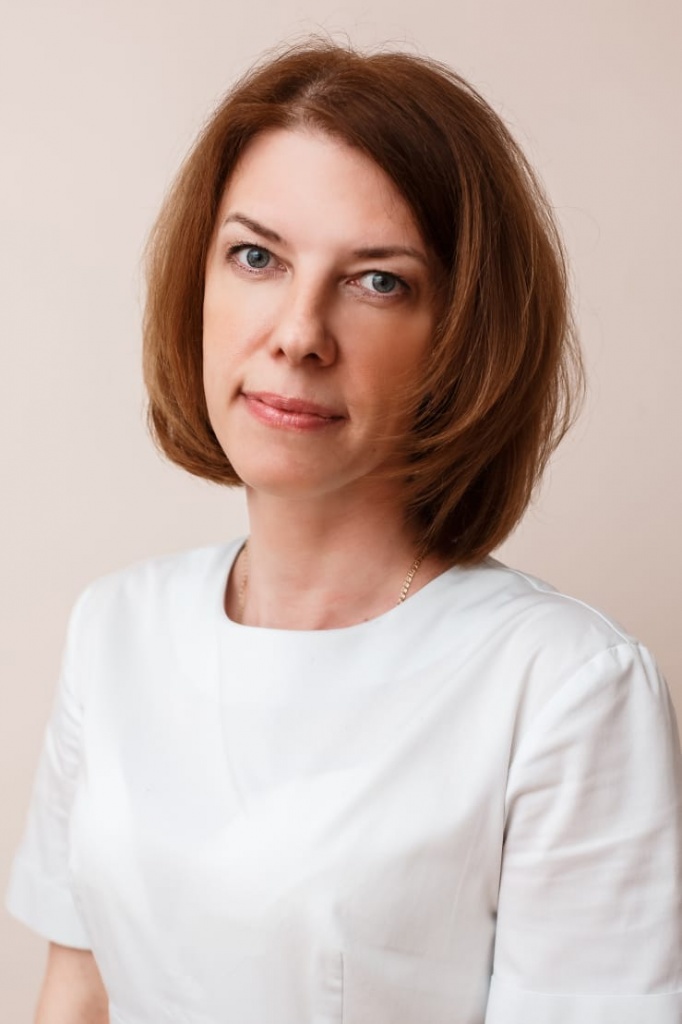
«Супружеская пара, которая приходит к обычному доктору, а не к доктору превентивной медицины, им ставят диагноз «Бесплодие», и это уже бьет по голове, и вытащить из нее этот диагноз сложно. При этом яичникам и так тяжело - в наших социальных условиях на них лежат кандалы. Поэтому мы вообще не ставим диагноз «Бесплодие» - только в случае трубного фактора (непроходимости маточных труб). В остальных случаях мы пишем, что женщина пришла на планирование беременности. И мы ищем причину, почему яичник не рождает яйцеклетку, чего ему не хватает. Сбор анамнеза мы начинаем с характеристики менструального цикла и выясняем, что мешает вырабатываться яйцеклетке.
Какие враги бывают у яичников? Первый фактор – это ожирение, потому что жировая ткань – это такая свалка мусорная, которая постоянно вырабатывает токсины и уничтожает хорошие здоровые гормоны и накапливает их «нехорошие» метаболиты. Второй враг наших яичников – это стресс, в котором мы находимся хронически. В-третьих, нам мешает дисбаланс в работе щитовидной железы. C этими и другими факторами мы работаем, чтобы яичники восстановились и женщина обрела долгожданную беременность.»
Ольга Полянина
врач акушер-гинеколог, гинеколог-эндокринолог, врач УЗ-диагностики, специалист эстетической гинекологии


 +7 (495) 154-21-44
  admin@expertclinics.ru