




Про услугу
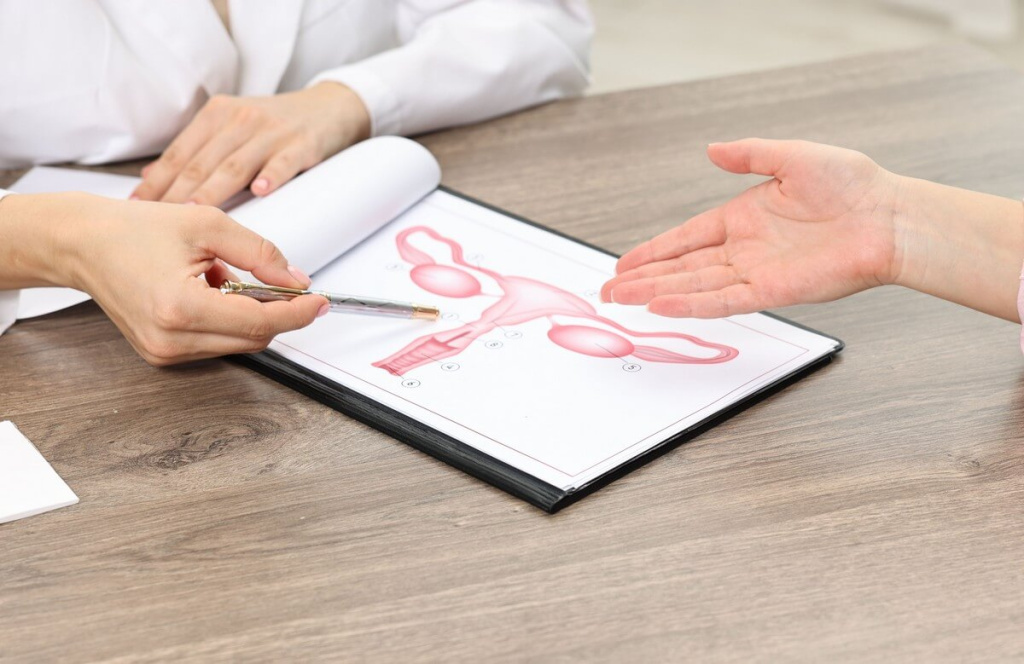
Урогенитальная атрофия не только вызывает дискомфорт, но и может повлиять на качество жизни женщины, ее самооценку и отношения с партнером. Поэтому важно обратиться к врачу, чтобы получить адекватное лечение.
Симптомы
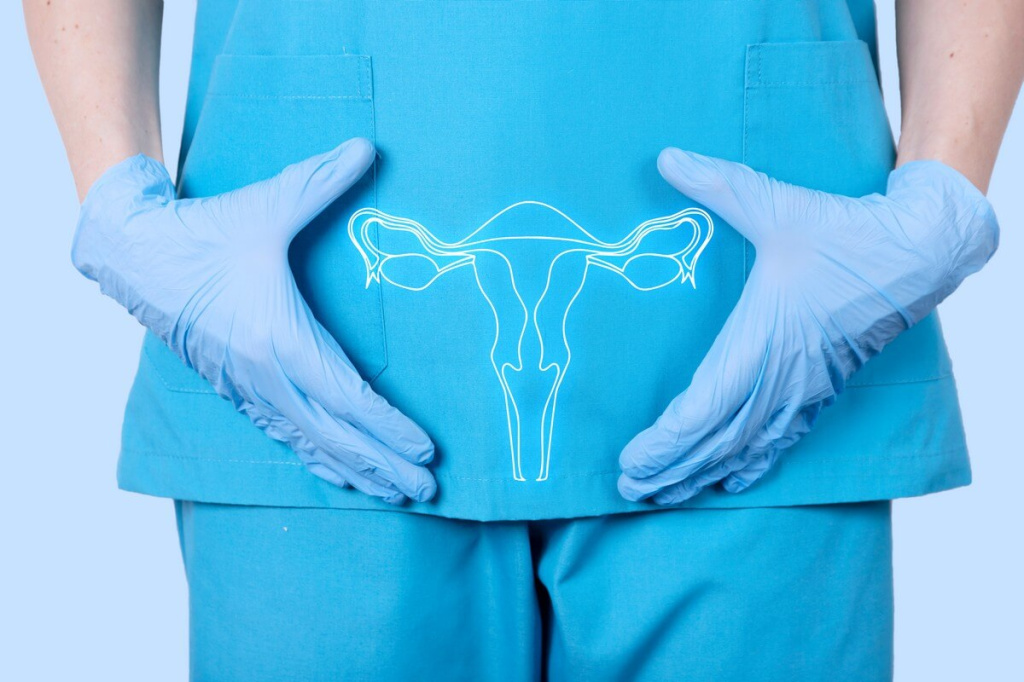
Урогенитальный синдром или вагинальная атрофия имеют несколько наиболее частых симптомов, которые могут помочь идентифицировать и лечить эту проблему:
-
Сухость влагалища.
-
Нетипичные выделения из влагалища.
-
Появление мелких трещин на стенках влагалища.
-
Раздражение, зуд, боль и/или жжение.
-
Дискомфорт или боль при мочеиспускании.
-
Боль и выраженный дискомфорт при половом акте (диспареуния). Эта болезненность характерна из-за отсутствия смазки и проблем с эластичностью. Возможны кровотечения или ссадины.
-
Дискомфорт во время обычного гинекологического осмотра.
-
Изменения в области влагалища и склонность к инфекциям или вагинитам.
В тяжелых случаях, когда лечение не применяется и ситуация ухудшается, могут появиться язвы или обширные раны.
Причины
Основные причины появления урогенитальной атрофии связаны со значительными изменениями слизистой оболочки влагалища и микробиоты. Это особенно важно в период менопаузы, потому что, как мы упоминали, когда функции эстрогенов изменены, это отрицательно влияет на выработку смазки и регенерацию вагинального эпителия (вызывая гиперчувствительность и сильный дискомфорт), а также изменяется рН.
Но сухость влагалища и синдром урогенитальной атрофии могут возникать и на других этапах жизни женщины. Поэтому, несмотря на их преобладание в климактерическом периоде, они не являются исключительной проблемой этого жизненного этапа.
В общих чертах можно говорить о следующих причинах, обстоятельствах и факторах риска:
-
Менопауза.
Выраженное снижение выработки эстрогена является чрезвычайно важным фактором.
-
Кормление грудью.
Женщина может столкнуться с подобными симптомами из-за изменения гормонального баланса во время лактации, а также вследствие осложненных вагинальных родов.
-
Использование некоторых противозачаточных средств может вызвать изменения в выработке эстрогена, способствуя возникновению сухости влагалища.

-
Эндометриоз.
Сопутствующий ущерб от некоторых видов лечения заболеваний или состояний, таких как эндометриоз, бесплодие или миома матки.
-
Хирургическое вмешательство.
Речь идет о перенесенной овариэктомии или хирургическом удалении яичников.
-
Онкологические заболевания.
Химиотерапия и другие процедуры для лечения определенных видов рака, таких как рак молочной железы, могут приводить к урогенитальной атрофии.
-
Лучевая терапия.
Локальная лучевая терапия в области таза, как следствие проблемы в этой области, также может иметь большое влияние.
-
Курение и отсутствие половой жизни также были определены как факторы, которые могут оказывать негативное влияние на эту патологию.
-
Средства гигиены.
Некоторые гели, мыло, моющие средства или продукты с отдушками и другими токсичными элементами (например, ароматизированные лубриканты не на водной основе) также особенно вредны. Все это способствует появлению (и усугублению) сухости влагалища.
Диагностика
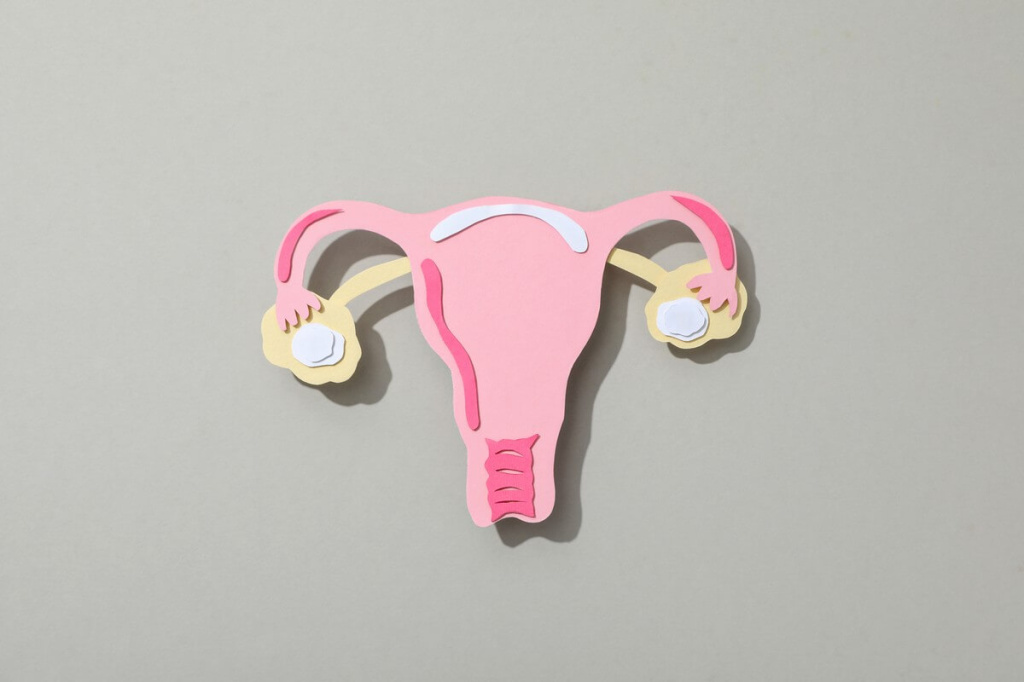
Диагностика урогенитальной атрофии может включать:
-
Гинекологический осмотр, во время которого врач проводит визуальный осмотр наружных половых органов, влагалища и шейки матки.
-
Анализ мочи, если возникают симптомы со стороны мочевыводящих путей.
-
Тест кислотного баланса, который включает в себя взятие образца вагинальной жидкости или помещение бумажной тест-полоски во влагалище для определения его Ph.
Способы лечения
Урогенитальная атрофия – это серьезная проблема, но с правильным лечением ее симптомы могут быть значительно облегчены.
Выделим основные виды терапии:
-
Коррекция образа жизни:
-
Отказ от курения. Никотин увеличивает метаболизм эстрогенов и сокращает его выработку.
-
Умеренные физические нагрузки и контроль веса.
-
Сбалансированная диета.
-
Активная сексуальная жизнь: половой акт способствует увлажнению влагалища.
-
-
Негормональное лечение:
-
Увлажняющие средства для влагалища, устраняющие жжение и покалывание.
-
Вагинальные смазки для полового акта.
-
-
Гормональное лечение.
Применение низких доз эстрогенов местно уменьшает симптомы и показано в случаях вульвовагинальных симптомов.
Их обычно назначают в виде кремов или вагинального кольца.
-
Лечение лазером.
Применение лазера CO2 на стенках влагалища производит несколько контролируемых выстрелов на слизистой оболочке и в глубину. Это вызывает немедленную реэпителизацию, которая происходит в среднем через неделю, и способствует выработке коллагена.
В результате толщины слизистой оболочки увеличивается и повышается эластичность и гидратация тканей. Таким образом удается подтянуть и сузить стенки вагинального канала, улучшить выработку смазки и восстановить тонус, эластичность и способность к сокращению влагалища.
Процедура безболезненная, проводится после нанесения местного анестетика (крема) и по окончании вы сразу же можете вернуться к своей обычной деятельности.
Количество сеансов и интервалы между ними определяет врач.
В более тяжелых случаях может потребоваться хирургическое лечение.
Профилактика
Существуют рекомендации, которые помогают если не предотвратить урогенитальную атрофию, то снизить ее неприятные симптомы:
-
Половые органы следует мыть теплой водой с нейтральным мылом, ополаскивая большим количеством воды и тщательно высушивая кожу, не растирая ее.
-
Избегайте тесной одежды.
-
Избегайте синтетических волокон в нижнем белье, чтобы предотвратить потоотделение, которое может вызвать раздражение.
-
Используйте туалетную бумагу без красителей и добавок.
-
Не используйте спреи-дезодоранты или тальк для области гениталий.
-
Регулярная половая жизнь помогает поддерживать увлажненность вульвы и влагалища.
-
Избегайте употребления табака.
-
Постарайтесь не набирать лишний вес.
При первых же беспокоящих вас симптомах обязательно обратитесь к врачу.


 +7 (495) 154-21-44
  admin@expertclinics.ru