




Про услугу
Образ жизни современных людей таков, что они часто жертвуют сном в пользу множества рутинных дел. Однако нормальный сон и учет биологических (циркадных) ритмов крайне важны для баланса гормонов и правильного функционирования всех органов и систем.
Нарушения сна могут привести к самым разным последствиям — от преждевременного старения организма до ДТП, вызванных засыпанием за рулем.
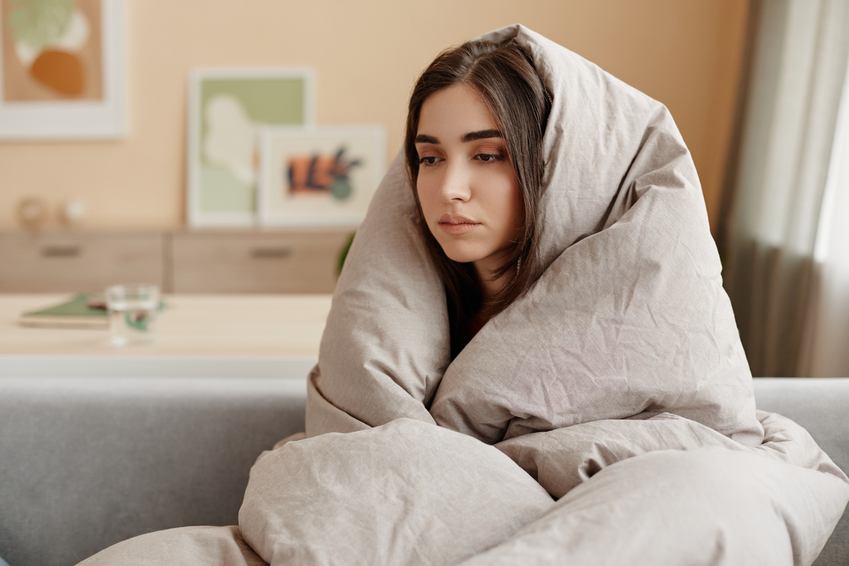
Формы нарушения сна
-
Бессонница (инсомния). Это дефицит количества сна, необходимого для нормального поддержания жизнедеятельности человека. Она не возникает сама по себе, а является следствием как внешних (шум, свет), так и внутренних (проблемы с щитовидной железой, сердечных болезней, астмы, изжоги и т.д.) неблагоприятных факторов. У людей, страдающих бессонницей, сон может не наступать в течение нескольких часов.
-
Парасомния. Группа расстройств сна, для которых характерны необычное поведение или ощущения. К ним относятся:
- ночные кошмары;
- страхи каких-то событий;
- энурез (недержание мочи);
- сомнамбулизм (лунатизм);
- сонный паралич (состояние, когда паралич мышц наступает до засыпания или после пробуждения).
-
Гиперсомния (чрезмерная дневная сонливость, либо избыточная продолжительность сна). Ученые выяснили, что излишний сон для организма человека равносилен похмелью.
-
Нарушение ритма сна и бодрствования. За режим сон-бодрствование в нашем организме отвечают циркадные ритмы. Они могут давать сбой по разным причинам. Например, из-за джетлага (реакции организма на смену часовых поясов) или социального джетлага (разницы во времени пробуждения в будние и выходные дни).
-
Синдром ночного апноэ. Это происходит, когда у человека западает мягкое нёбо, перекрывая вход в дыхательные пути. Он замолкает на несколько секунд, всхрапывает и дышит опять. В этот момент он либо просыпается полностью, либо переходит в другую фазу сна. За ночь это может случиться много раз, и в итоге человек очень плохо спит. Из-за храпа он не получает достаточного количества кислорода, артериальное давление повышается, что вредит сердцу и мозгу. При тяжелых случаях апноэ остановки дыхания могут занимать до 60% общего времени ночного сна. Факторы сужения глотки: ожирение, затруднение носового дыхания, большие миндалины, смещенная назад нижняя челюсть.
К другим симптомам также относят:
-
поверхностный сон;
-
ночную потливость;
-
отрыжку;
-
скачки артериального давления;
-
проблемы с потенцией;
-
нарастание массы тела.
Более 30 процентов населения России страдает приступами бессонницы. У половины из них она переходит в хроническую.
Почему возникает бессонница
Существует множество причин, по которым нарушается сон: стресс, беспокойство, патологии внутренних органов. Поэтому недостаточно избавиться от симптомов расстройства — необходимо понять, почему оно возникло.
Первичные причины нарушения сна у взрослых:
-
отсутствие тайм-менеджмента, хаотичный образ жизни;
-
злоупотребление алкоголем, кофе, никотином — они возбуждают нервную систему и могут провоцировать раннее пробуждение;
-
работа за компьютером, интернет-серфинг, просмотр телешоу перед сном также ведут к проблемам со сном из-за нервного возбуждения;
-
нервный стресс, депрессивное состояние, невроз;
-
проблема нарушения сна может передаваться по наследству — может проявляться в детстве, и если ее запустить, то переходит в хроническую форму.
Также нарушения сна могут вызывать вторичные причины — различные патологии внутренних органов. Отсутствие нормального сна может объясняться сердечными заболеваниями. Например, когда сердце не справляется с перекачкой крови по сосудам из легких, возникает одышка.
У женщин расстройства сна наблюдаются в период менопаузы из-за изменений гормонального фона. У мужчин проблема является частым спутником болезней простаты.
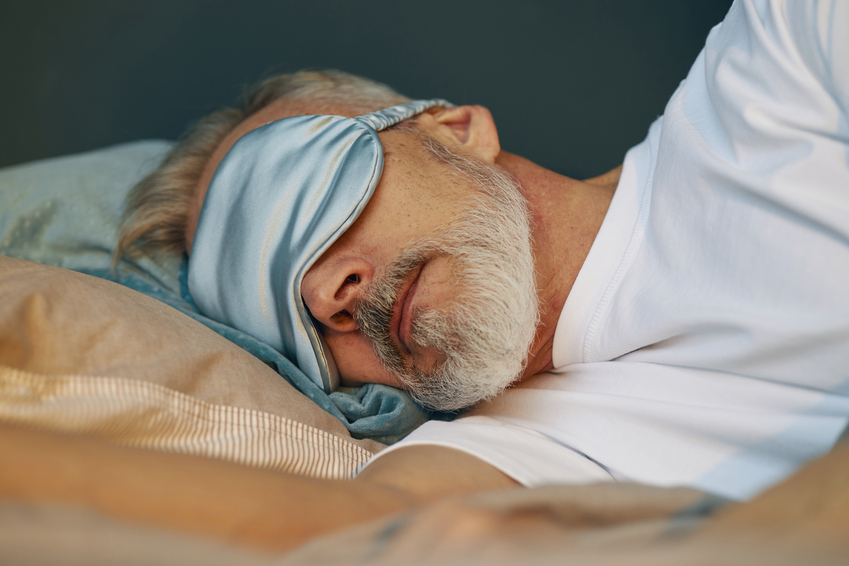
Нормальный сон — залог здоровья и долголетия
Сон — жизненно важная потребность нашего организма. Пока мы спим, нейроны работают, в головном мозге и организме происходят следующие процессы:
-
активация работы глимфатической системы, продолжается запоминание, обучение;
-
тонкая настройка настроения, либидо, даже аппетита;
-
краткосрочные воспоминания переходят в долгосрочные;
-
формируются клетки, отвечающие за иммунитет, а значит, укрепляется естественная защита от болезней;
-
гипофиз вырабатывает гормон роста — соматотропин, который также отвечает за сжигание жира и рост мышечной массы;
-
в глубокой фазе сна синтезируется тестостерон, и максимальный его уровень в крови фиксируется утром после пробуждения.
Для нормального протекания всех этих физиологических процессов необходимо 6–8 часов полноценного ночного отдыха.
За циклы сна и бодрствования в нашем организме отвечает гормон эпифиза (шишковидной железы мозга) — мелатонин. Это вещество необходимо для того, чтобы мы могли уснуть. Оно вырабатывается активнее, когда наступает вечер, — мы чувствуем сонливость и засыпаем.
Мелатонин синхронизирует наши биологические часы, что является условием здоровья и долголетия. Также он влияет на железы внутренней секреции (в том числе и щитовидную), регулирует иммунную систему. От этого гормона зависит состояние и тонус кожи, так как он влияет на продуцирование коллагена, эластина, кортизола. Достаточный уровень мелатонина в крови повышает стрессоустойчивость. Также известна антиоксидантная активность этого вещества.
Получается, что этот нейропептид — главный хранитель нашего здоровья, молодости и красоты. Для его нормальной выработки необходим качественный сон. Также важна освещенность, когда мы отдыхаем. Начало выработки гормона приходится на 19–22 часа, а пик — на период между 12 и 4 часами ночи. Если в это время мы бодрствуем или спим при ярком освещении, свет попадает на сетчатку глаз, и уровень мелатонина падает. Это приводит к нарушениям в работе всех систем организма, за которые ответственен гормон, в том числе снижается иммунитет, сбиваются биоритмы, ускоряются процессы старения. Поэтому важно ложиться спать не слишком поздно, а за несколько часов до сна не смотреть телевизор и отложить в сторону планшет, смартфон.
Патогенез расстройств сна
Часто проблемы с засыпанием и поддержанием глубокого сна происходят из-за нарушенной выработки мелатонина. Из-за яркого освещения вечером и ночью время его выработки смещается, и человеку трудно засыпать или просыпаться по утрам.
Причиной кратковременной инсомнии может оказаться стресс. Людям с гиперактивной нервной системой обычно трудно засыпать, и они могут просыпаться по ночам. Чем хуже они высыпаются, тем больше беспокоятся о негативных последствиях этого явления. Получается замкнутый круг, и бессонница переходит в хроническую форму.
В состоянии обструктивного апноэ нарушается проходимость верхних дыхательных путей. Они перекрываются, и в легкие перестает поступать достаточное количество кислорода. Организм испытывает стресс, симпатическая нервная система активизируется, повышается кровяное давление. Результат — постоянные микропробуждения (человек даже не фиксирует их сознательно). То есть организм старается открыть дыхательные пути, чтобы восстановить дыхание, и для этого постоянно пробуждается. Структура сна из-за этого нарушается, сокращаются важные его фазы, что вызывает следующие симптомы:
-
потливость по ночам;
-
агрессивность, раздражительность, нарушенная координация;
-
нарушается обмен веществ, может развиться сахарный диабет;
-
снижаются либидо и потенция;
-
увеличивается внутригрудное давление и нагрузка на сердце — учащается или снижается пульс во сне, возникают паузы, может развиться аритмия, а это угроза для жизни.
Когда нарушается механизм передачи сигналов от нейронов к мышцам (из-за дефицита дофамина), возникают двигательные расстройства сна.
Гиперсомния (в частности, нарколепсия) появляется из-за недостатка орексина А и B — нейропептидов, ответственных за бодрствование. Обычно это следствие аутоиммунных заболеваний.
Парасомния способна вызывать диссоциацию сна, активировать стереотипные движения спящего.
Заболевания — спутники расстройств сна
Стрессы, частые перелеты, работа по ночам, болезни, аритмия, алкоголизм, курение могут вызывать различные нарушения сна.
Нарушенный баланс макро- и микроэлементов, витаминов В зачастую приводит к бессоннице. Нарушения сна появляются из-за гормонального сбоя в период менопаузы и андропаузы, гипертиреоза (избытка гормонов щитовидной железы) или гипотиреоза (их недостатка). В первом случае наблюдается бессонница, во втором — сонливость.
СОАС (Синдром обструктивного апноэ сна) может возникать по разным причинам:
-
заболевания носа и миндалин;
-
смещение и дисфункция нижней челюсти;
-
разрастание тканей ротоглотки;
-
лишний вес;
-
нарушение работы гипофиза;
-
гипотиреоз и др.
Синдром беспокойных ног возникает при сахарном диабете и нехватке железа. Ночные крампи наблюдаются при дефиците железа, а также витаминов группы B, магния, калия.
Нарушения сна часто возникают на фоне психических расстройств: ПТСР, ОКР, шизофрении, депрессии, невроза и т. д.
Дневная сонливость и ночные кошмары бывают следствием черепно-мозговых травм, опухолей, заболеваний ЦНС.
Нарушают нормальное течение сна заболевания мочевыделительной системы, изжога. Также сложности с засыпанием часто связаны с употреблением спиртного, антидепрессантов, нейролептиков, энергетиков.
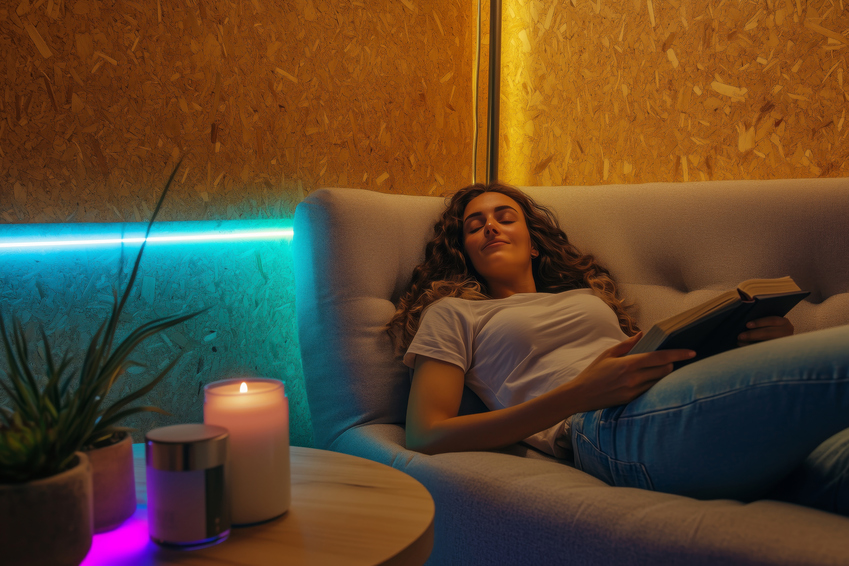
Какие могут быть последствия нарушения сна
Прежде всего, снижение качества жизни. В результате человек постоянно испытывает усталость, сонливость и раздражительность; нарушаются внимание, память и координация. Ему трудно сконцентрироваться, испытывать позитивные эмоции.
Страдают психическое и физическое здоровье, появляются суицидальные мысли.
Могут возникнуть следующие осложнения:
-
Повышается давление (гипертензия, гипертония).
-
Происходит гормональный сбой — уменьшается количество гормона лептина (отвечает за энергетический обмен), повышается уровень гормона грелина (стимулирует употребление пищи). Снижается чувство насыщения, растет аппетит, нарушается пищевое поведение — тянет на сладкое и быстрые углеводы. Развивается ожирение.
-
Может развиться сахарный диабет 2-го типа и нарушение обмена веществ в виде метаболического синдрома.
-
Повышается риск появления рака кишечника.
-
Начинается депрессия.
-
Сокращается выработка половых гормонов, снижается либидо.
-
Учащаются простудные заболевания.
-
Снижается выработка коллагена и гормона роста, что негативно сказывается на состоянии кожи и других тканей.
-
Возникают расстройства кишечника, нарушается частота стула, усвоение пищи.
При синдроме обструктивного апноэ сна (СОАС) в некоторых случаях возникают очень тяжелые осложнения:
-
артериальная и резистентная гипертония;
-
брадиаритмия (замедление пульса ниже 60 ударов в минуту) во сне, иногда даже требуется установка кардиостимулятора;
-
сердечно-сосудистые заболевания, инсульт, возможен даже летальный исход.
Последствия СОАС могут быть не настолько опасными, но все равно нежелательными и неприятными. Например, если кто-то из супругов страдает от этого синдрома, повышается риск развода.
При гиперсомнии человек может получить травму или попасть в ДТП. При парасомнии он может случайно ранить себя или партнера. Сонливость оказывается серьезной помехой в профессиональной деятельности.
Профилактика нарушений сна
Важно привести в порядок гигиену сна. Она предполагает соблюдение следующих правил:
-
не находиться в кровати более 20 минут, если не собираетесь спать;
-
не спать дольше 8 часов;
-
не ложиться спать сытым или голодным;
-
спать в полной темноте, без источников света и шума;
-
ложиться спать каждый день в одно и то же время, не позднее 22–23 часов;
-
по возможности избегать стрессовых ситуаций;
-
правильно питаться;
-
заниматься физической активностью;
-
проветривать помещение перед сном.
И не забывайте отложить подальше все электронные устройства. Ведь если смотреть на экран или дисплей, выработка мелатонина нарушается, и тогда процессы старения набирают силу.
Что помогает при нарушениях сна
В некоторых случаях ситуацию исправят простые меры:
-
Создайте ритуал отхода ко сну: выйдите перед сном на прогулку, почитайте книгу, примите контрастный душ.
-
Если не получается заснуть в течение 30 минут, встаньте и займитесь чем-нибудь, пока не начнет клонить в сон.
-
Часто от бессонницы помогают ромашковый чай, отвар из валерианы, пустырника, душицы, зверобоя, мяты, мелиссы, лаванды (осторожно, может быть аллергия).
-
Помогает уснуть теплая ванна с ароматическими маслами.
-
Не пейте на ночь стимулирующих напитков, не употребляйте тяжелых продуктов.
-
Дневной сон после обеда следует исключить.
-
Нельзя ложиться спать в состоянии эмоционального возбуждения.
-
Физкультурой необходимо заниматься не позднее, чем за три часа до сна.
-
Не смотрите на ночь телевизор, телефонные звонки отложите до утра.
При серьезных нарушениях сна обратитесь к специалистам: сначала к терапевту (он поможет выявить причину — возможно, это сопутствующее заболевание), сомнологу (если диагностика затруднена), психотерапевту или неврологу (при подозрении на депрессию).
Психотерапия и гигиена сна дают более устойчивый результат, чем назначение снотворных препаратов. В любом случае стоит начать не с них, а попробовать растительные средства, которые не вызывают привыкания и не нарушают концентрацию внимания. Снотворное употребляйте только по назначению врача, исключив спиртные напитки. При апноэ и затрудненном дыхании некоторые снотворные препараты противопоказаны.
Если бессонница возникла на фоне другого заболевания, прогноз зависит от его лечения.
Методы диагностики
При постоянных нарушениях сна замедляются основные реакции, ухудшается работа мозга, ускоряются процессы старения, а также происходят физиологические и психические расстройства. Поэтому современная диагностика нарушений сна необходима, чтобы организм человека функционировал исправно до глубокой старости.
Методы диагностики:
-
Консультация у сомнолога или у врача антивозрастной медицины.
-
Полисомнография — исследование, которое помогает оценить изменения человека, происходящие с человеком во время сна. Выявляются стадии сна, качество дыхания, движение конечностей.
-
Актиграфия. В процессе используется прибор актиграф — он схож с наручными часами и отслеживает степень освещенности для сна, а также двигательные рефлексы человека.
-
Кардиореспираторный мониторинг. Он оценивает нарушения дыхания во сне благодаря устанавливаемым на человека датчикам.
-
СИПАП-терапия. Это главный метод лечения апноэ, когда легкие искусственно вентилируются постоянным положительным давлением.
Лечение нарушений сна в Expert Clinics
Врачи Expert Clinics обладают обширными знаниями из различных областей медицины, в том числе антивозрастной, что позволяет им не только устранять симптомы нарушений сна, но и выявлять их настоящую причину.
Наши врачи руководствуются индивидуальным подходом к пациенту. Зачастую лечение требует комбинированных схем и методик, которые при необходимости определяются на междисциплинарном врачебном консилиуме.
Особое внимание при восстановлении биологических ритмов и режима сна будет уделяться выравниванию уровня мелатонина, от которого так зависят важнейшие процессы в организме.
Доктора Expert Clinics способны эффективно лечить нарушения сна в кратчайшие сроки и в комфортных для пациента условиях.
Часто задаваемые вопросы
Как проходит лечение нарушений сна в клинике?
Врач проводит диагностику причин бессонницы (гормональные, психологические, неврологические), назначает терапию: от коррекции режима до медикаментов и нутрицевтиков.
Когда стоит обратиться к специалисту по сну?
Если вас беспокоит хроническая бессонница, трудности с засыпанием, ранние пробуждения, прерывистый сон, дневная сонливость или чувство усталости после сна.
Что желательно подготовить к первичному приёму?
Принесите выписки, список принимаемых препаратов, ведите дневник сна за 3–5 дней. Это поможет врачу точнее определить причину нарушений.
Что делает врач на приёме по поводу сна?
Оценивает жалобы, образ жизни, уровень стресса, возможные гормональные или неврологические причины. Может назначить анализы и инструментальные исследования.
Какие действия нужно предпринять после консультации?
Следовать схеме лечения: соблюдать режим, при необходимости — принимать препараты или пройти курс поддержки.
Кому не подойдёт стандартная терапия сна?
Некоторые препараты противопоказаны при беременности, тяжёлых психических расстройствах и определённых неврологических заболеваниях — подход подбирается индивидуально.
Как улучшить сон без лекарств?
Регулярный режим, отказ от гаджетов перед сном, снижение кофеина и алкоголя, физическая активность днём, вечерние ритуалы расслабления. Спать желательно в прохладном и полностью тёмном помещении, с ортопедической подушкой; можно использовать специальные утяжелённые одеяла для улучшения качества сна.
Когда можно ожидать улучшения сна?
При соблюдении рекомендаций первые улучшения возможны уже через 1–2 недели, стойкий эффект — спустя 3–6 недель терапии.


 +7 (495) 154-21-44
  admin@expertclinics.ru